



What's Happening?
Chevron's Wheatstone liquefied natural gas facility in Western Australia is facing a prolonged repair period due to damage caused by Cyclone Narelle. The cyclone disrupted Australian LNG supply, affecting more than 30 million metric tons annually. This
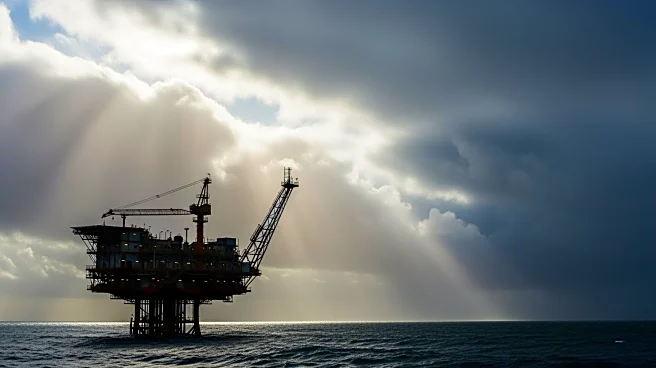
disruption, combined with geopolitical tensions in the Middle East, has impacted over a quarter of global LNG supply. Chevron's spokesperson confirmed that damage assessments are ongoing at both the onshore Wheatstone plant and offshore Wheatstone Platform, with full production expected to resume in several weeks. The Wheatstone project, which produces 8.9 million tons annually, has sustained equipment damage from severe weather conditions. Meanwhile, Chevron's Gorgon LNG facility continues to operate at full capacity. The global LNG market is further strained by Iran's blockade of the Strait of Hormuz, affecting Middle Eastern exports.
Why It's Important?
The extended repair timeline at Chevron's Wheatstone facility highlights the vulnerability of global energy infrastructure to natural disasters and geopolitical tensions. The disruption in LNG supply from Australia, a major exporter, could lead to increased energy prices and supply shortages, affecting industries reliant on natural gas. The situation underscores the importance of diversifying energy sources and enhancing infrastructure resilience. Stakeholders in the energy sector, including businesses and governments, may need to reassess their strategies to mitigate risks associated with such disruptions. The incident also emphasizes the interconnectedness of global energy markets, where regional events can have widespread implications.
What's Next?
Chevron is expected to continue damage assessments and repair efforts at the Wheatstone facility, with production resuming in several weeks. The company may face pressure from stakeholders to expedite repairs and minimize supply disruptions. Additionally, energy markets will likely monitor developments in the Middle East, particularly Iran's actions affecting LNG exports. Governments and energy companies may explore alternative supply routes and sources to mitigate the impact of such disruptions. The situation could prompt discussions on improving infrastructure resilience and diversifying energy portfolios to reduce dependency on vulnerable supply chains.