


What's Happening?
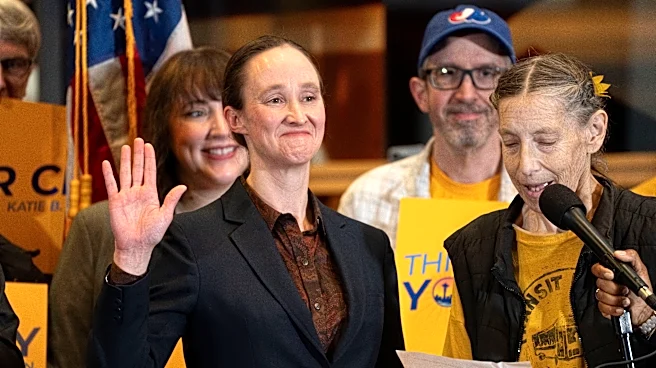
King County has officially purchased a disputed property along the Cedar River, effectively ending a nearly decade-long battle to prevent the construction of an asphalt plant on the site. Councilmember Reagan Dunn announced the acquisition at the Fairwood
60th Anniversary event, marking the completion of a process that began in 2017 when Lakeside Industries proposed building the plant near State Route 169. The proposal faced significant backlash from local residents and environmental groups due to concerns about potential pollution impacting the Cedar River, which serves as a drinking water source for nearly 2 million people in the greater Seattle area. Dunn, along with other elected officials and community leaders, celebrated the resolution, emphasizing the preservation of the land for public use. Funding for the acquisition was secured through partnerships between the King County Council, the King County Flood Control District, and county agencies, without imposing new tax burdens on residents.
Why It's Important?
This acquisition is a significant victory for environmental protection and public health in King County. The Cedar River watershed is a critical source of drinking water for a substantial portion of the Seattle metropolitan area, and the proposed asphalt plant posed a direct threat of contamination. The resolution demonstrates the power of community activism and sustained political effort in safeguarding natural resources against industrial development. By preserving this land, King County is ensuring the long-term quality of its drinking water supply and protecting vital fish and wildlife habitats. This outcome also sets a precedent for how local governments can respond to public concerns regarding environmental impacts of development, highlighting the importance of proactive measures and collaborative funding strategies to achieve conservation goals. The decision prioritizes ecological integrity and community well-being over industrial expansion in a sensitive area.
What's Next?
With the land now secured, King County is shifting its focus to determining the future uses of the site. Officials are actively seeking community input, encouraging residents to provide feedback through interactive comment boards. Potential plans for the property include restoring fish and wildlife habitats, expanding recreational opportunities, and connecting the land to existing and future trail networks, as well as nearby protected spaces like McGarvey Park. The county is also exploring additional areas around the property for future preservation. This community engagement phase will be crucial in shaping the long-term vision for the site, ensuring that its development aligns with public interests and environmental conservation goals. The process will likely involve further planning and allocation of resources for restoration and recreational infrastructure.
Beyond the Headlines
The resolution of the Cedar River asphalt plant dispute underscores broader themes of environmental justice and the balance between economic development and ecological preservation. The decade-long struggle highlights the persistent challenges communities face when confronting industrial projects that threaten natural resources and public health. The successful acquisition of the land without new taxes demonstrates innovative approaches to funding conservation efforts, potentially serving as a model for other regions facing similar dilemmas. Furthermore, the emphasis on community feedback for future land use reflects a growing trend towards participatory governance in environmental decision-making. This case illustrates how local actions can have far-reaching implications for regional environmental policy and the protection of critical infrastructure like water supplies, fostering a stronger sense of stewardship among residents and local authorities.