






What's Happening?
A comprehensive preclinical study has been published detailing the in-depth characterization of stem cell potency and genotoxicity for clinical-scale ex vivo CRISPR-Cas9 gene editing. This research, using Wiskott-Aldrich Syndrome as a model, established
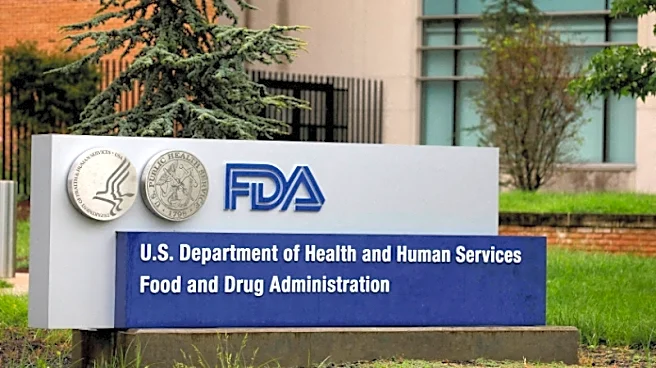
an integrated strategy for editing human hematopoietic stem cells (HSCs) and assessing genotoxicity. The study's findings have been instrumental in securing Orphan Drug Designation from both the European Medicines Agency (EMA) and the U.S. Food and Drug Administration (FDA). This designation is a critical step in accelerating the development and review of therapies for rare diseases. The research focuses on the practical aspects of moving gene editing from laboratory settings to clinical application, emphasizing the need to demonstrate not only the effectiveness of the edit but also the potency, genotoxicity, and consistency of the process at a clinical scale. The project was driven by Asma Naseem, with significant contributions from collaborators including Giandomenico Turchiano and Daniela Cesana for genotoxicity studies.
Why It's Important?
This development is significant for the field of gene therapy in the U.S. as it marks a crucial progression in making CRISPR-Cas9 technology a viable clinical treatment. Orphan Drug Designation by the FDA provides incentives for pharmaceutical companies to develop drugs for rare diseases, which often lack effective treatments due to smaller patient populations and higher development costs. This can lead to faster approval processes and market exclusivity, encouraging investment in gene-editing therapies for conditions like Wiskott-Aldrich Syndrome. The rigorous preclinical work on genotoxicity and clinical-scale consistency addresses major safety and efficacy concerns, which are paramount for regulatory bodies like the FDA. Successful translation of such research could pave the way for similar gene-editing approaches for other genetic disorders, potentially transforming treatment paradigms and offering hope to patients with previously untreatable conditions. It also highlights the growing collaboration between academic research and regulatory bodies to accelerate medical innovations.
What's Next?
The Orphan Drug Designation suggests that the path towards clinical trials for CRISPR-Cas9 gene editing in Wiskott-Aldrich Syndrome is becoming clearer. The next steps will likely involve initiating human clinical trials to evaluate the safety and efficacy of this gene-editing strategy in patients. This will require further regulatory approvals and significant funding. The ongoing collaboration between researchers and regulatory agencies will be crucial in navigating the complex landscape of gene therapy development. If successful, this approach could lead to the first FDA-approved CRISPR-Cas9 therapy for Wiskott-Aldrich Syndrome, setting a precedent for future gene-editing treatments. Additionally, the methodologies developed for assessing potency and genotoxicity at a clinical scale could become standard practice for other gene-editing therapies in development, influencing future regulatory guidelines and industry best practices.
Beyond the Headlines
The advancement of CRISPR-Cas9 gene editing into clinical translation raises broader ethical and societal considerations. While the current study focuses on somatic cell editing for a specific disease, the underlying technology has implications for germline editing, which involves heritable genetic modifications. The controversial case of He Jiankui's edited embryos in China underscores the ethical complexities and the need for robust regulatory frameworks. In the U.S., discussions around the responsible use of gene-editing technologies are ongoing, balancing the potential for life-saving treatments with concerns about unintended consequences and equitable access. The success of this preclinical study could intensify these discussions, prompting policymakers and bioethicists to further refine guidelines and laws governing gene editing. It also highlights the potential for gene editing to exacerbate healthcare disparities if access to these advanced therapies is limited by cost or availability, necessitating proactive policy considerations to ensure broad and equitable benefit.