







What's Happening?
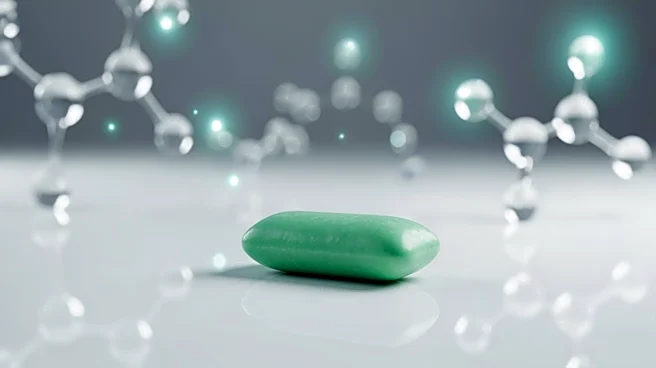
Researchers at the University of Pennsylvania School of Dental Medicine have developed a chewing gum that may help reduce cancer-associated oral microbes in patients with head and neck squamous cell carcinoma (HNSCC). The gum, which contains proteins
from lablab beans, was found to significantly reduce levels of human papillomavirus (HPV) and other harmful microbes in oral samples. The study, published in Scientific Reports, showed that the gum reduced HPV levels by 93% in saliva and by 80% in oral rinse samples. Additionally, when bioengineered to include the antimicrobial peptide protegrin, the gum nearly eliminated Porphyromonas gingivalis and Fusobacterium nucleatum, two microbes linked to worse survival rates in oral cancer. The gum is designed to complement existing cancer therapies by providing concentrated local delivery of antiviral and antibacterial agents.
Why It's Important?
This development is significant as it offers a novel approach to managing oral microbes associated with HNSCC, a cancer type that has been increasing in the U.S. The gum's ability to target and reduce harmful microbes without affecting beneficial oral bacteria could enhance patient outcomes and complement existing treatments. As HPV is a major contributor to HNSCC, the gum's effectiveness in reducing HPV levels could potentially lower cancer risks. This innovation also highlights the potential for non-invasive, site-specific treatments in cancer care, which could lead to improved patient compliance and quality of life.
What's Next?
The antiviral chewing gum is currently being evaluated in London, with plans to initiate similar trials in the United States at the University of Pennsylvania. These trials will further assess the gum's efficacy and potential integration into standard cancer care protocols. Researchers will likely explore the gum's long-term effects on oral microbial populations and its impact on cancer progression. The outcomes of these trials could influence future cancer treatment strategies and the development of similar site-specific therapeutic products.