



What's Happening?
A multistate outbreak of Salmonella Telelkebir infections has been linked to raw oysters harvested from the Little Wicomico River in Virginia. The Centers for Disease Control and Prevention (CDC) reported 27 illnesses across 12 states, with 5 hospitalizations
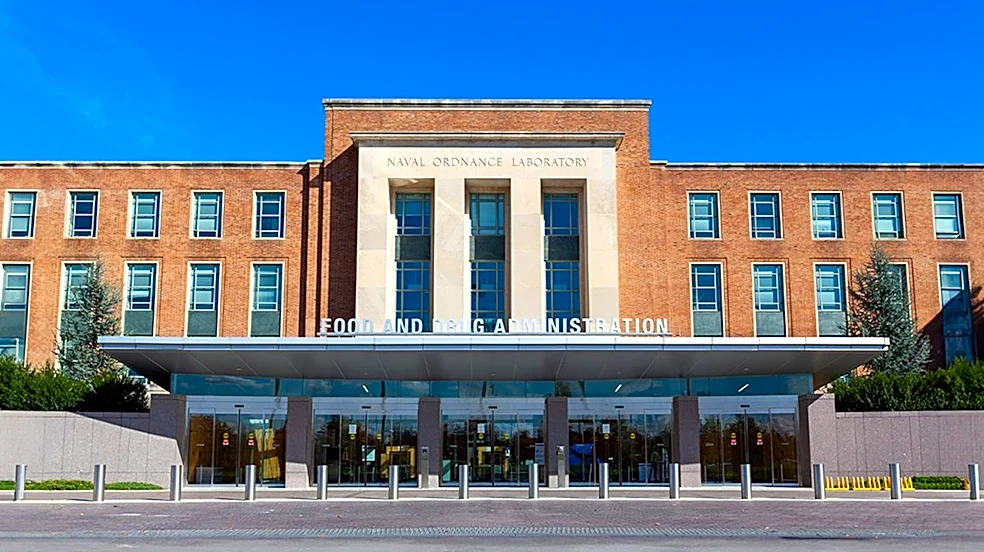
and no deaths. Illnesses began between May 29 and September 14. Ten individuals reported consuming raw oysters, and traceback investigations for seven of these cases pointed to the Little Wicomico Oyster Company. The U.S. Food and Drug Administration (FDA) issued a safety alert, identifying the dealer certification VA-1421-SP and a harvest window of September 18 to October 8, with distribution to 15 states and the District of Columbia. Virginia's own tally, however, reported 55 illnesses in 19 states, with the newest illness beginning October 6, which falls within the recalled harvest window. Furthermore, all eight oyster meat samples collected from the river on October 13 tested positive for Salmonella.
Why It's Important?
This outbreak highlights ongoing challenges in food safety surveillance and communication, particularly concerning seafood. The discrepancy between the CDC's reported case count (27) and Virginia's state tally (55) suggests potential gaps in data aggregation or reporting mechanisms, which can hinder public health responses. The positive Salmonella tests from oysters directly sampled from the Little Wicomico River underscore the environmental contamination risk and the importance of stringent harvesting and monitoring protocols. The fact that illnesses began before the recall window indicates a delay in identifying and responding to the contamination, potentially exposing more consumers to risk. This situation can erode public trust in food safety advisories and impact the oyster industry, particularly in Virginia, due to concerns about product safety and the effectiveness of regulatory oversight.
What's Next?
The Little Wicomico River was closed on October 9 for an initial 30 days and will only reopen after three consecutive rounds of negative test results for oysters. A second round of 400 oysters was collected on October 21, and fecal contamination samples were taken on October 22, with genetic results expected soon. The FDA, CDC, and state health officials continue to advise against eating, selling, or serving the recalled product. Consumers who purchased oysters from the Little Wicomico Oyster Company with the specified dealer certification and harvest window are urged to discard them. Further investigations will likely focus on identifying the source of contamination in the river and assessing the effectiveness of current monitoring and recall procedures to prevent future outbreaks.
Beyond the Headlines
The disparity in reported case numbers between federal and state agencies, as seen in this Salmonella outbreak, points to a broader issue of fragmented data sharing and communication within the U.S. food safety system. This can lead to public confusion and potentially delay critical public health interventions. The incident also raises questions about the adequacy of current traceability rules for seafood, especially given that the 2022 traceability rule's compliance date is not until 2028. The long-term implications could include increased scrutiny of oyster harvesting practices, potential changes in seafood safety regulations, and a greater demand for real-time, transparent reporting of foodborne illness outbreaks to ensure public safety and maintain consumer confidence in the seafood supply chain.