

What's Happening?
AltaLink's proposed alignment for a replacement power line through the firebreak surrounding Harvie Heights is drawing criticism for potentially compromising wildfire suppression efforts. According to Gary Dudinsky, who has extensive wildfire suppression experience,
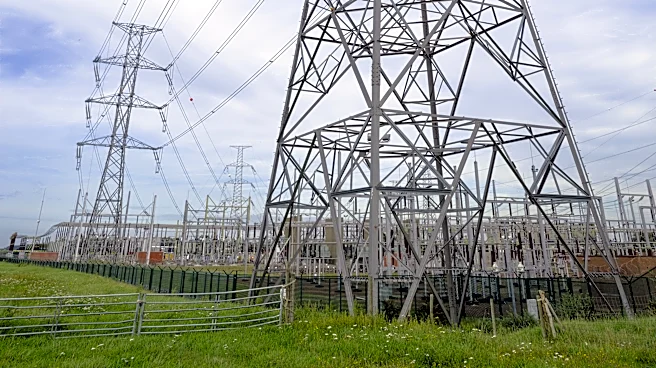
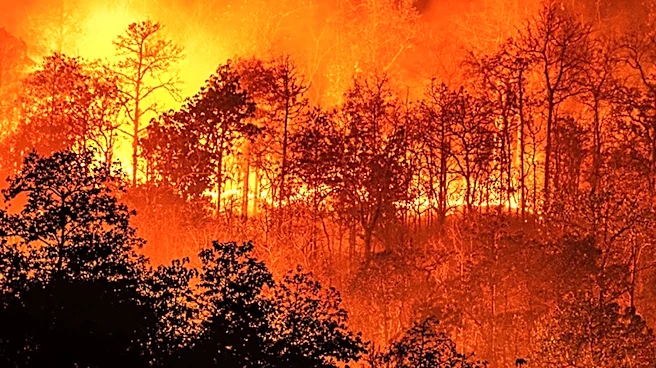
placing a power line within the firebreak would render it ineffective for tactical firefighting. Air tankers and helicopters cannot drop retardant or water near energized power lines due to the risk of destroying the lines and the inherent danger of mixing water and electricity. The firebreak was designed to force wildfires from tree crowns to the ground, making them easier to control. However, the presence of a power line would restrict both aerial and ground resources from utilizing the firebreak to their advantage, limiting their ability to set up sprinklers and use hoses and pumps around energized lines. Dudinsky, with experience as an incident commander for over 100 ground fires and an air attack officer for over 200 fires, strongly recommends that AltaLink abandon this proposed alignment.
Why It's Important?
This situation highlights a critical conflict between infrastructure development and public safety, particularly in areas prone to wildfires. The effectiveness of firebreaks is paramount in protecting communities from devastating blazes, and any infrastructure that compromises their utility poses a significant risk. If AltaLink proceeds with this route, it could leave Harvie Heights more vulnerable to wildfires, potentially leading to increased property damage, environmental destruction, and even loss of life. The debate underscores the need for thorough risk assessments and collaborative planning between utility companies and fire management experts to ensure that essential infrastructure projects do not inadvertently undermine existing safety measures. The decision on this power line route could set a precedent for how future utility projects are evaluated in fire-prone regions, emphasizing the importance of integrating wildfire mitigation strategies into infrastructure planning.
What's Next?
The immediate next step involves AltaLink's response to the concerns raised by wildfire suppression experts like Gary Dudinsky. It is likely that community groups and environmental advocates will continue to pressure AltaLink to reconsider its proposed alignment. Further public consultations or reviews by regulatory bodies may be initiated to assess the safety implications of the power line route. AltaLink may need to present alternative routes or demonstrate how the proposed alignment can be made safe without compromising the firebreak's effectiveness. The outcome could involve a revised plan from AltaLink, a directive from regulatory authorities, or continued public debate until a mutually agreeable solution is found that prioritizes both energy infrastructure and community safety from wildfires.
Beyond the Headlines
This issue extends beyond the immediate concern of a single power line, touching upon broader themes of land use planning, environmental protection, and the increasing challenges posed by climate change-induced wildfires. The incident underscores the complex interplay between human development and natural hazards. It raises questions about the long-term sustainability of expanding infrastructure in vulnerable ecosystems and the need for more resilient planning that anticipates and mitigates environmental risks. Ethically, it highlights the responsibility of corporations to prioritize public safety and environmental stewardship alongside economic objectives. Legally, it could lead to stricter regulations regarding infrastructure placement in fire-prone areas, potentially influencing future development projects across the country. Culturally, it reflects a growing public awareness and demand for accountability from corporations regarding their environmental and safety impacts.