
What's Happening?
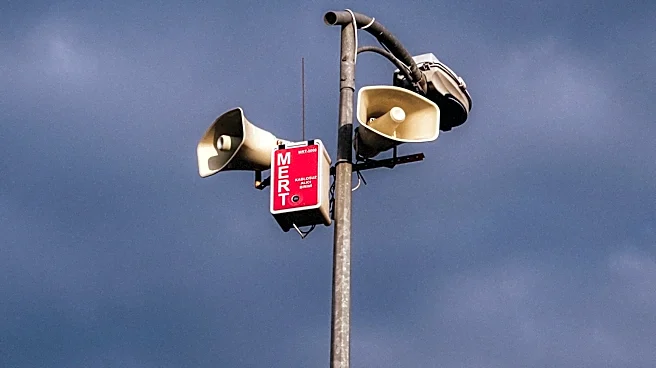
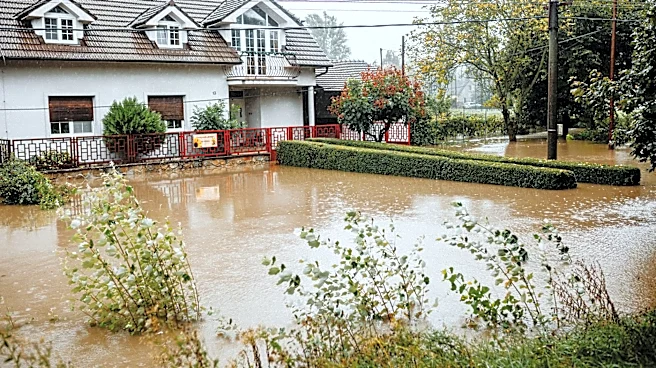
Governor Kay Ivey of Alabama has announced the activation of a new statewide notification system. This system is designed to provide quicker alerts to residents, particularly in cases of natural disasters such as floods. The state is investing over $1
million into this initiative. According to Etowah County E911 Executive Director Wil Reed, the system utilizes geospatial geofencing to send targeted messages directly to individuals in the path of a disaster, rather than alerting an entire county. This precision aims to prevent 911 centers from being overwhelmed with calls and to ensure that affected individuals receive timely information. The system will deliver direct alerts via cell and landline phones, as well as through TV and radio stations. Etowah County EMA Director Jim Slick noted that the state system is free for counties to use, offering them either a duplication of existing mass notification systems or a replacement.
Why It's Important?
The implementation of this new statewide notification system is a significant step for public safety in Alabama. It addresses a critical need for more efficient and targeted communication during emergencies, which can directly impact the safety and well-being of residents. The ability to send geofenced alerts means that warnings can be highly localized, reducing unnecessary panic and ensuring that resources are focused on the most vulnerable areas. This system aims to prevent tragedies by providing timely information that allows families to prepare and stay safe, as highlighted by Governor Ivey. The investment of over $1 million underscores the state's commitment to enhancing its disaster response capabilities and protecting its citizens from the impacts of natural disasters, which have historically caused significant harm and loss of life.
What's Next?
Following the activation of the new statewide notification system, the immediate next steps involve its integration and utilization by counties across Alabama. Counties now have the option to either supplement their existing notification systems or replace them entirely with the state-provided service. Public awareness campaigns are likely to follow to inform residents about the new system and how they will receive alerts. The effectiveness of the system will be continuously monitored, especially during future weather events, to assess its impact on public safety and emergency response. The state will likely continue to provide support and resources to ensure all counties can effectively leverage this new technology, aiming to minimize casualties and property damage from natural disasters.
Beyond the Headlines
The new statewide notification system in Alabama represents a broader trend in emergency management towards leveraging advanced technology for more precise and effective public communication. The use of geospatial geofencing signifies a shift from broad, often disruptive, alerts to highly targeted warnings, which can improve public trust and reduce alert fatigue. This initiative also highlights the ethical responsibility of governments to protect their citizens, especially children, from preventable harm during disasters. The system's success could serve as a model for other states facing similar challenges with natural disaster preparedness and response, potentially influencing national standards for emergency communication. It underscores the ongoing evolution of public safety infrastructure in the digital age, where timely and accurate information is paramount.