





What's Happening?
AlUla, an ancient oasis in north-western Saudi Arabia, has expanded its accredited Destination Management Company (DMC) partner program by adding seven new specialized companies. This brings the total number of accredited partners to 19, representing
various global markets. The new companies will cover key and emerging tourism markets, including GCC countries, the United Kingdom, Europe, the United States, India, Russia, China, and Latin America. This expansion aims to support AlUla's reach across international source markets and strengthen cooperation within the global travel and tourism sector. The AlUla International Airport recently underwent a 44% terminal expansion, increasing its capacity by 75% to 700,000 passengers annually, and now features smart gates and 12 counters for international flights. Direct flights from Riyadh, Jeddah, Dammam, and year-round regional flights from Doha also serve AlUla. The DMC partner network provides visitors with access to AlUla's diverse tourism experiences, including MICHELIN Guide-listed hospitality options and year-round events from the 'AlUla Moments' calendar, such as the AlUla Skies Festival and various cultural, sporting, and wellness events.
Why It's Important?
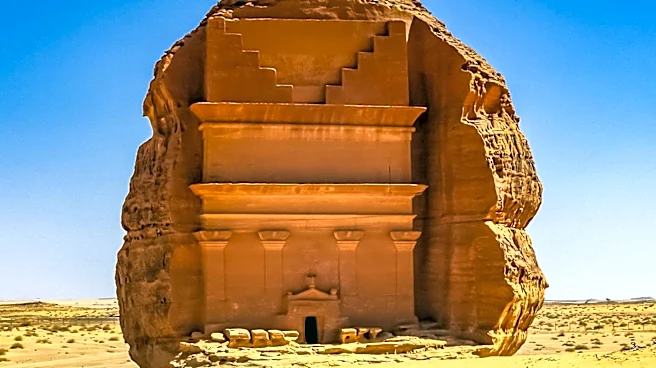
This expansion is a significant step in AlUla's development strategy, aligning with Saudi Arabia's Vision 2030 to diversify its economy and establish itself as a global tourism destination. By increasing its network of international DMCs, AlUla is directly targeting key markets, including the United States, which can lead to a substantial increase in American tourists. This influx of tourism can generate significant economic benefits, including job creation in the hospitality and service sectors, and increased revenue for local businesses. For the U.S. travel industry, this presents new opportunities for partnerships and package deals, potentially boosting outbound tourism. The enhanced airport infrastructure and diverse event calendar are designed to attract a broader range of visitors, from cultural enthusiasts to adventure seekers, further solidifying AlUla's position as a competitive international destination. The focus on cultural tourism, centered around sites like the Nabataean tombs of Hegra, also promotes cross-cultural exchange and understanding.
What's Next?
The expanded network of DMCs is expected to immediately begin promoting AlUla's offerings in their respective markets, leading to an anticipated increase in international visitor numbers. Future developments will likely include further enhancements to tourism infrastructure, such as new hotels, resorts, and experiential attractions, to accommodate the growing demand. The 'AlUla Moments' calendar will continue to evolve, with new events and festivals designed to attract specific demographics and maintain year-round visitor engagement. The Royal Commission for AlUla will likely monitor the effectiveness of the expanded partner program, potentially leading to further adjustments or additions to its network. Continued investment in agricultural regeneration and water management programs will also be crucial to sustain the oasis environment and support the long-term viability of tourism in the region. The focus on the U.S. market suggests that tailored marketing campaigns and travel packages will be developed to appeal to American travelers.
Beyond the Headlines
The strategic development of AlUla as a global tourism hub has broader implications beyond immediate economic gains. It represents a significant cultural shift for Saudi Arabia, opening up the country to international visitors and fostering a greater appreciation for its rich historical and archaeological heritage. The emphasis on preserving sites like Hegra, a UNESCO World Heritage site, highlights a commitment to cultural stewardship. For the U.S., increased tourism to AlUla could lead to a deeper understanding of Middle Eastern history and culture, potentially fostering stronger diplomatic and cultural ties. However, it also raises questions about the balance between tourism development and environmental sustainability, particularly in a sensitive desert ecosystem. The long-term success of AlUla's tourism initiative will depend on its ability to manage these challenges while delivering authentic and enriching experiences for visitors from diverse backgrounds.