







What's Happening?
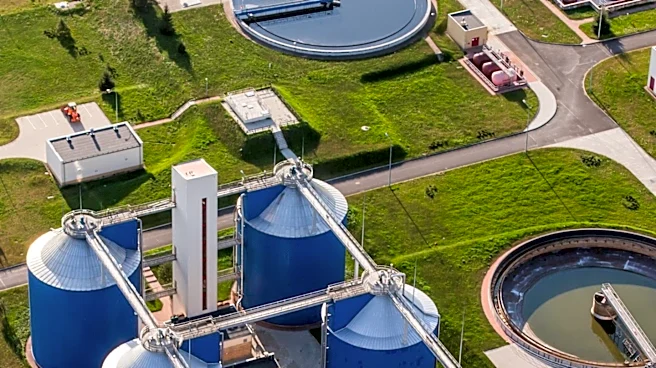
The Village of Indian Hill, Ohio, is moving forward with the development of a PFAS removal facility. This decision comes in response to the Environmental Protection Agency's (EPA) stricter maximum contaminant levels for PFAS, which are set to take effect
in April 2029. The village is currently in the design phase of the project. Following the departure of Terrace Park, which resulted in lower water demand, the planned facility will now require approximately 25% less capacity than initially projected. This reduction in capacity will also lead to a smaller building footprint for the facility. The Village of Indian Hill remains committed to complying with all relevant EPA PFAS compliance requirements.
Why It's Important?
This development is significant for public health and environmental compliance in the U.S. The EPA's new PFAS regulations underscore a national effort to address the widespread contamination of 'forever chemicals' in drinking water. For communities like Indian Hill, proactive measures to build or upgrade water treatment facilities are crucial to ensure safe drinking water for residents. The reduction in facility capacity due to decreased water demand highlights the dynamic nature of infrastructure planning and the importance of adapting to changing community needs. This also demonstrates how local municipalities are directly impacted by federal environmental regulations, necessitating substantial investment in water infrastructure to meet evolving health standards. The successful implementation of such projects can serve as a model for other communities facing similar challenges.
What's Next?
The Village of Indian Hill will continue with the design phase of its PFAS removal facility. Construction is expected to follow, with the goal of having the facility operational before the EPA's new maximum contaminant levels for PFAS become effective in April 2029. The village will need to manage the project through its various stages, including securing necessary permits, contracting for construction, and ultimately commissioning the facility. Ongoing monitoring and testing of water quality will be essential to ensure continuous compliance with EPA standards once the facility is operational. Other municipalities across the U.S. are likely to observe Indian Hill's progress as they too prepare to meet the upcoming federal PFAS regulations.