





What's Happening?
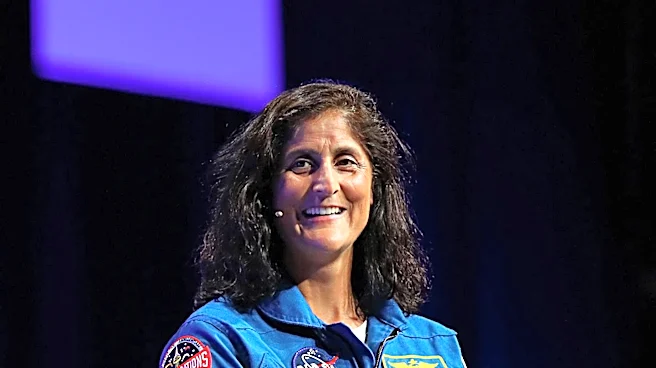
NASA's 2025 Astronaut Candidate Class is currently undergoing a comprehensive and rigorous training program, approximately halfway through its nearly two-year duration. The training is designed to prepare them for missions to low Earth orbit, the Moon,
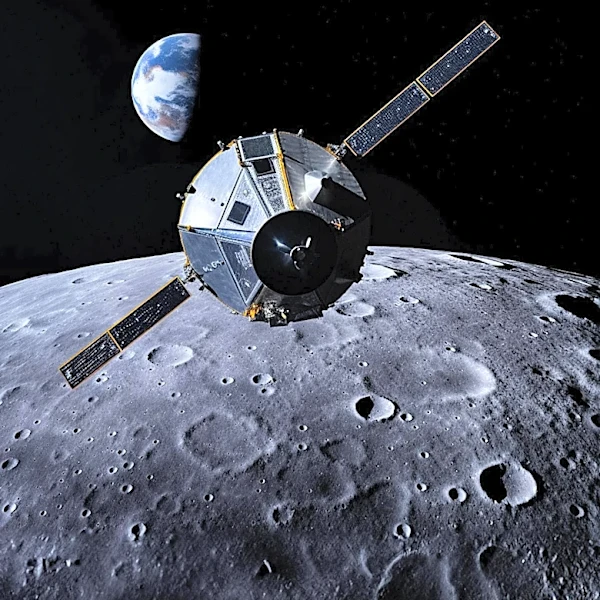
and ultimately Mars. Key components of their summer training included extensive geology studies, with classroom sessions at Johnson Space Center and field training in New Mexico and Iceland, focusing on observations, sampling, and navigation relevant to lunar missions. Flight training involved flying NASA's WB-57s and T-38 supersonic jets to build confidence and adaptability. Candidates also participated in altitude chamber runs to familiarize themselves with high-altitude and space conditions, and water survival training in the Neutral Buoyacy Laboratory to prepare for potential remote landings. Additionally, they are engaged in intensive Russian language classes, cross-cultural training, spacecraft systems operation, spacewalk training, and emergency procedures.
Why It's Important?
This intensive training program is critical for ensuring the readiness and success of future U.S. space exploration endeavors. By equipping astronaut candidates with diverse skills, from geology and flight operations to survival and language proficiency, NASA is building a versatile and resilient astronaut corps capable of tackling the complex challenges of deep space missions. The emphasis on lunar mission preparation directly supports the Artemis program's goal of returning humans to the Moon and establishing a sustainable presence. The development of these highly trained individuals is vital for advancing scientific research, technological innovation, and maintaining U.S. leadership in space. Their expertise will be instrumental in expanding humanity's understanding of the cosmos and potentially enabling future colonization efforts beyond Earth.
What's Next?
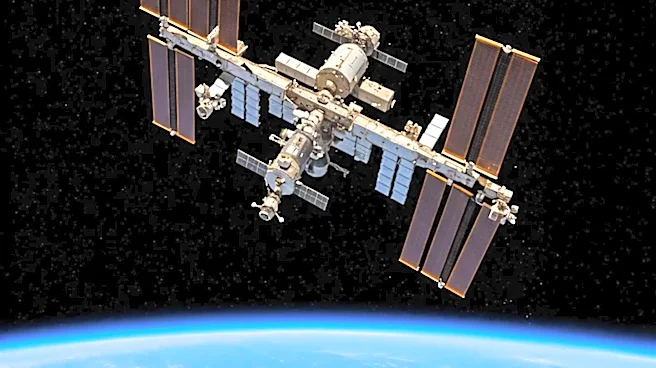
The 2025 Astronaut Candidate Class is scheduled to graduate in 2027, at which point they will join NASA's active astronaut corps. Upon graduation, they will await their first flight assignments, which could include contributing to research aboard the International Space Station or participating in Artemis missions to the Moon, with an eye towards future Mars missions. Their continued training and eventual deployment will directly support NASA's long-term goals of establishing a sustained human presence beyond low Earth orbit. The skills acquired, particularly in geology and operational expertise, will be directly applied to lunar surface activities and the development of strategies for Martian exploration, paving the way for the next era of human spaceflight.
Beyond the Headlines
The comprehensive nature of the astronaut training program highlights the multidisciplinary demands of modern space exploration. Beyond technical skills, the inclusion of cross-cultural training and Russian language classes underscores the international collaborative aspect of space missions, particularly with partners like Russia on the ISS. This emphasis on global cooperation is crucial for pooling resources, sharing expertise, and ensuring the safety and success of complex international space ventures. Furthermore, the rigorous physical and mental conditioning required for astronaut candidates reflects the extreme environment of space and the psychological resilience needed to operate effectively under pressure. The program serves as a testament to the human spirit of exploration and the continuous pursuit of knowledge and discovery beyond our planet.