







What's Happening?
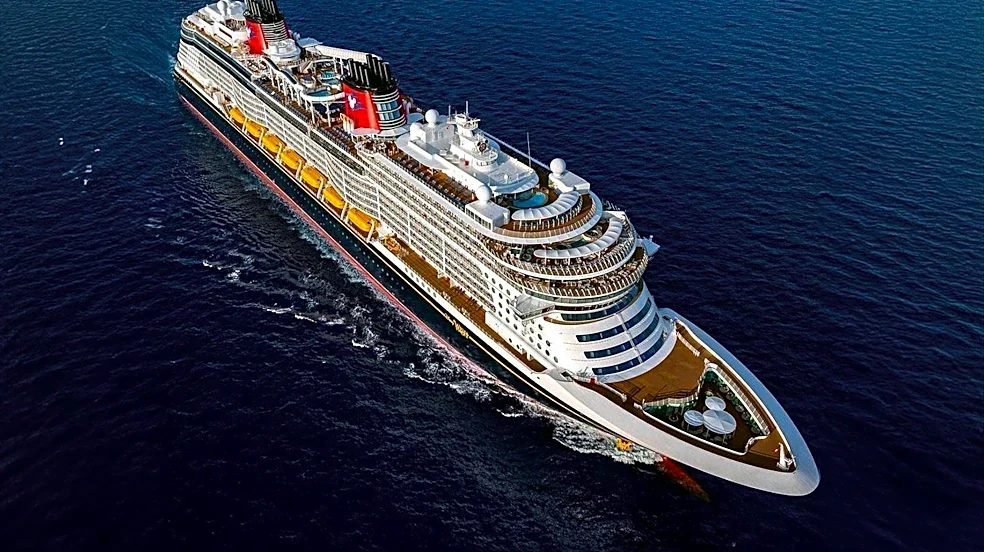
AAA forecasts a record 22.4 million Americans will embark on domestic and international ocean cruises in 2027, marking a 3.6% increase over 2026. This projection continues a trend of rising cruise demand since 2023, when numbers surpassed pre-pandemic
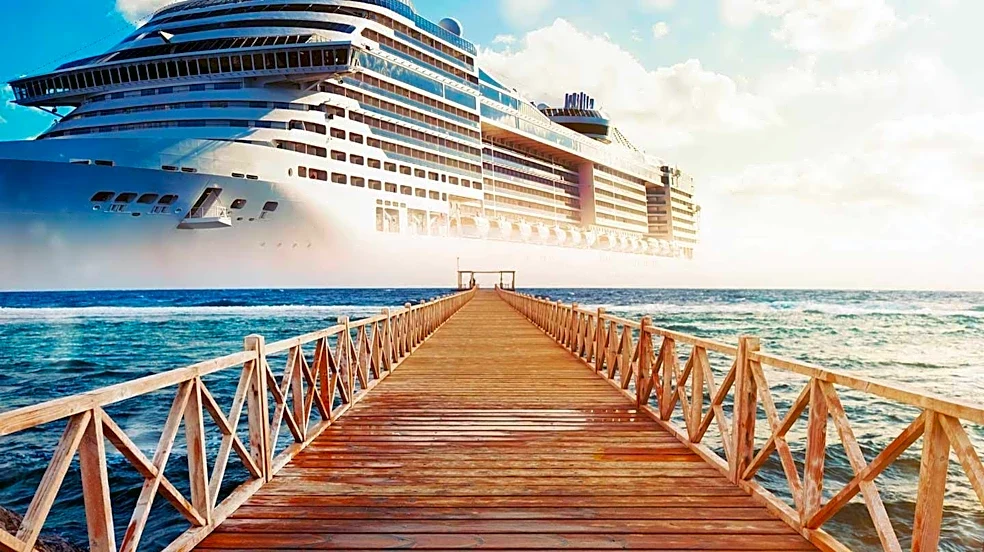
levels. In 2019, 14.2 million Americans cruised, indicating a projected 57% increase by 2027. The surge is attributed to cruising's perceived convenience, value, and variety, with meals and entertainment often included. Over 90% of U.S. cruise passengers rate their experience as good or very good, leading to a high repeat booking rate of 93%. The Caribbean remains the most popular destination, accounting for 71% of U.S. cruise passengers, partly due to cruise lines' investments in private islands and the deployment of mega vessels in the region. Shorter cruises (6 nights or less) are also gaining popularity, with 45% of U.S. passengers choosing them in 2025, up from 39% in 2019, catering to travelers seeking quick getaways.
Why It's Important?
This significant increase in cruise travel has substantial implications for the U.S. tourism and hospitality industries. The projected record numbers suggest a robust recovery and growth trajectory for the cruise sector, leading to increased revenue for cruise lines, port cities, and related businesses such as airlines and hotels. The popularity of Caribbean cruises, with Florida's ports (Miami, Port Canaveral, Fort Lauderdale) being the busiest globally, highlights the economic impact on these regions. The trend towards shorter cruises indicates a shift in consumer preferences, potentially opening new market segments and requiring cruise lines to adapt their offerings. Travel agents also play a crucial role, as their expertise helps travelers navigate the overwhelming options and secure optimal itineraries, underscoring the continued relevance of human-assisted travel planning in a digital age. This growth also impacts employment in the travel sector, from ship crews to port staff and travel advisors.
What's Next?
Cruise lines are likely to continue investing in new ships, expanding their offerings, and developing more diverse itineraries to meet the growing demand, particularly for shorter trips and Caribbean destinations. The emphasis on value and convenience will likely drive further innovation in all-inclusive packages and onboard experiences. Travel agents will remain key intermediaries, advising clients on insurance options, booking early for desirable cabins, and helping plan complex trips. Port cities, especially in Florida, can anticipate continued infrastructure development and increased economic activity to accommodate the rising passenger volumes. The industry will also need to monitor global economic conditions and travel trends to sustain this growth, while also addressing potential environmental concerns associated with increased cruise traffic.
Beyond the Headlines
The sustained growth in cruise travel reflects broader societal trends, including a desire for hassle-free vacations and a preference for experiences over material possessions. The high repeat booking rate suggests strong customer satisfaction and loyalty, indicating that cruises effectively meet a specific set of traveler needs. The rise of shorter cruises could also be linked to changing work-life balances and the increasing difficulty for many Americans to take extended time off. This trend might also influence other segments of the travel industry, pushing them to offer more condensed, value-driven packages. Furthermore, the industry's focus on private islands and mega vessels in the Caribbean points to a strategy of creating exclusive, self-contained vacation experiences, which could have implications for local economies and cultures in those destinations, raising questions about sustainable tourism and community engagement.