

What's Happening?
Ukrainian President Volodymyr Zelensky has raised alarms over North Korea's military involvement in Russia, highlighting that Pyongyang has dispatched 10,000 troops to support Russian efforts in the ongoing conflict with Ukraine. This development is part
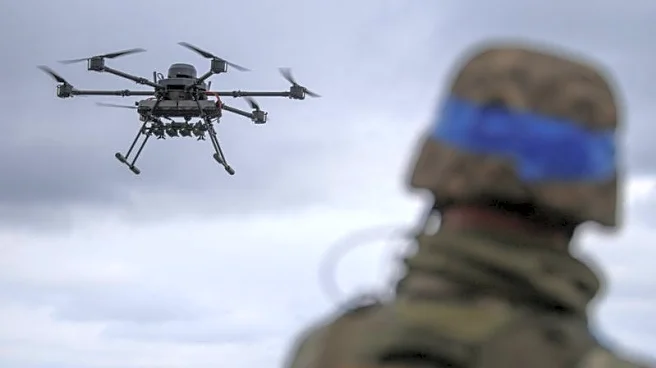
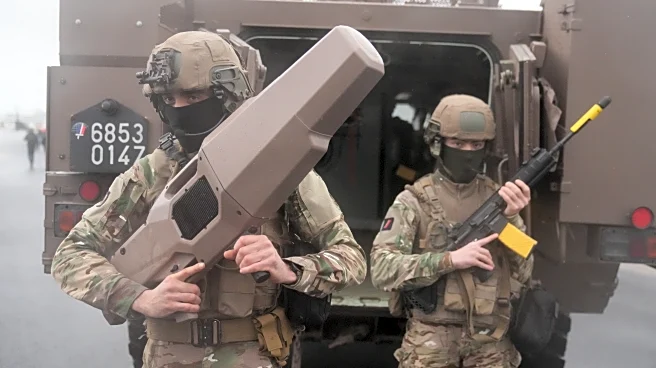
of a broader military cooperation between Russia and North Korea, which has intensified during the war. Zelensky expressed concerns about North Korea gaining critical military knowledge, particularly in modern hybrid warfare, which includes defense against missiles and drones. This knowledge transfer is facilitated by North Korean troops actively participating in combat operations within Russia. The collaboration follows a mutual defense treaty signed between the two nations in June 2024, which has also seen North Korea receiving Russian military hardware and technical support for its ballistic missile program.
Why It's Important?
The involvement of North Korean troops in Russia and the subsequent military knowledge transfer pose significant geopolitical risks. This collaboration not only strengthens North Korea's military capabilities but also complicates the security dynamics in East Asia and beyond. The potential for North Korea to apply this knowledge domestically could enhance its military posture, particularly in its nuclear weapons program, thereby escalating regional tensions. For the U.S. and its allies, this development necessitates a reassessment of security strategies in the region, as it underscores the deepening ties between two nations often at odds with Western interests. The situation also highlights the challenges in enforcing international sanctions and the need for coordinated diplomatic efforts to address these emerging threats.
What's Next?
The international community, particularly the U.S. and its allies, may need to consider additional diplomatic and economic measures to counter the growing military cooperation between Russia and North Korea. This could involve strengthening alliances in East Asia and increasing support for Ukraine. Additionally, there may be calls for enhanced intelligence sharing and monitoring to better understand the scope and impact of this collaboration. The situation also raises questions about the effectiveness of existing sanctions and the potential need for new strategies to curb North Korea's military advancements.
Beyond the Headlines
The deepening military ties between Russia and North Korea could have long-term implications for global security and the balance of power. This partnership may embolden other nations to pursue similar alliances, challenging the current international order. Furthermore, the transfer of advanced military technology and knowledge could accelerate North Korea's military development, potentially leading to a more aggressive stance in its foreign policy. The situation also highlights the complexities of international diplomacy, where traditional alliances and enmities are increasingly fluid, requiring adaptive and nuanced responses from global leaders.