







What's Happening?
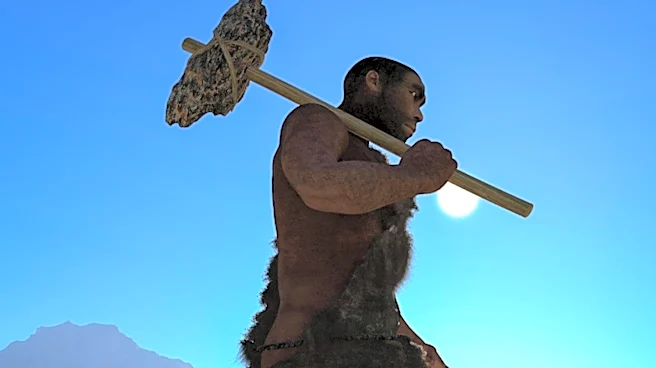
Recent analysis of fossil footprints in Kenya has provided new insights into the extinct hominin species known as 'Nutcracker Man', or Paranthropus boisei. This species, which lived in eastern Africa from about 2.3 million to 1.2 million years ago, was
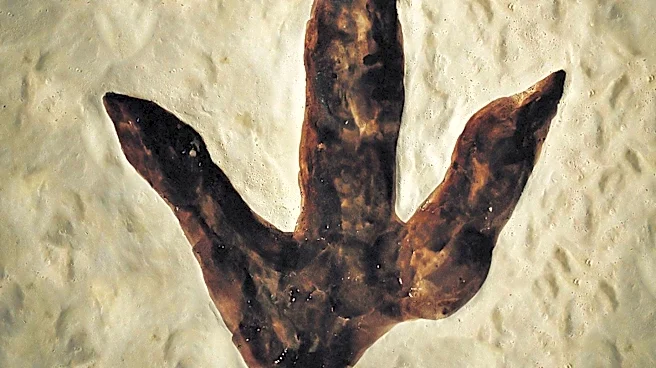
previously thought to be smaller in stature. However, new evidence from 21 footprints suggests that P. boisei individuals were taller and heavier than previously estimated, with males potentially reaching up to 6 feet in height and weighing as much as 165 pounds. The footprints, found in the Koobi Fora Formation, indicate that these hominins traveled in groups, suggesting complex social structures. The study, published in the journal PNAS, highlights the importance of footprints in understanding the anatomy and behavior of ancient species.
Why It's Important?
This discovery is significant as it challenges previous assumptions about the physical characteristics and social behaviors of P. boisei. By providing a more accurate picture of this species, the findings contribute to a deeper understanding of human evolution and the diversity of hominin species. The research also underscores the value of fossil footprints in offering insights into the lives of extinct species, beyond what skeletal remains can reveal. This can influence future studies in paleoanthropology and help refine the evolutionary timeline of human ancestors.