




What's Happening?
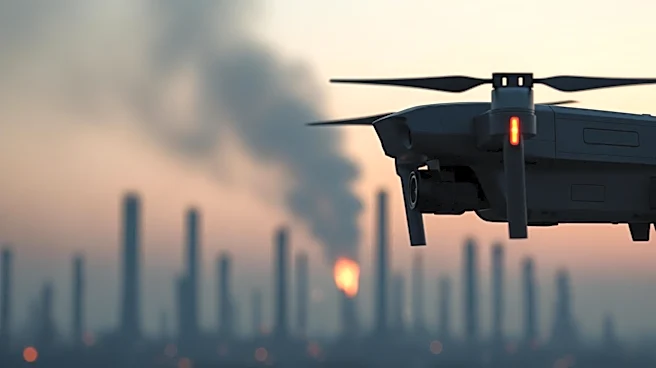
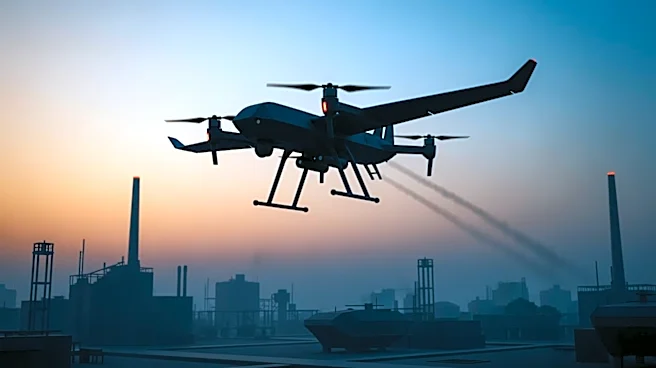
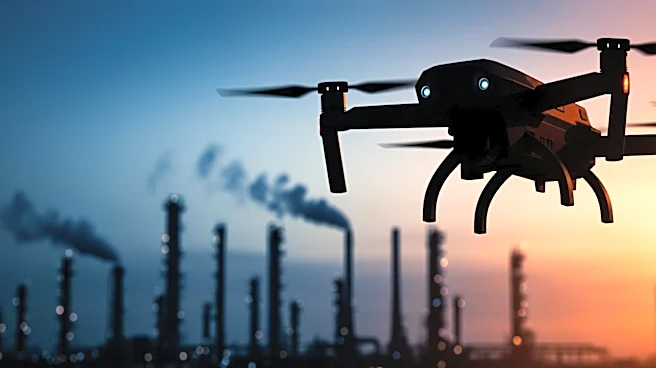
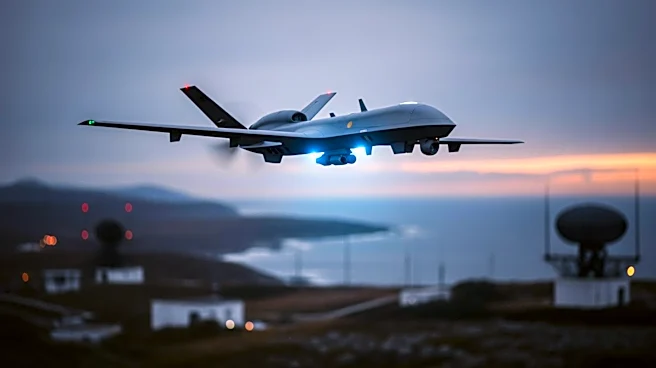
Ukraine's drone forces have conducted a third long-range attack on the Russian port of Tuapse, targeting oil export and refining infrastructure. The Tuapse facility, which refines about 12 million tonnes of oil annually, represents 4-5% of Russia's refining capacity.
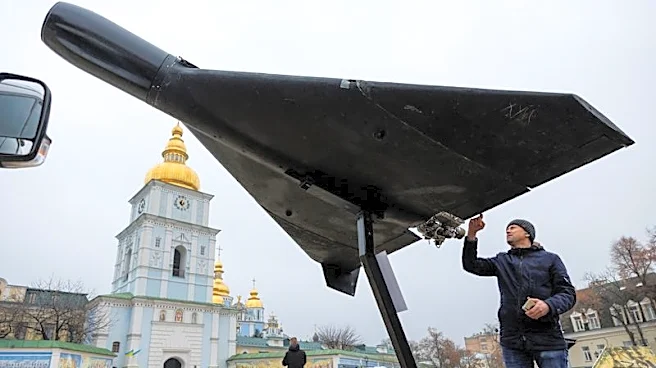
These strikes are part of a broader strategy by Ukraine's Unmanned Systems Forces to disrupt Russian oil exports, which are crucial for financing the ongoing conflict. The attacks have been successful in penetrating Russian air defenses, causing significant damage and environmental pollution. The latest strike resulted in fires and evacuations in the area, with local authorities struggling to contain the damage. Moscow has accused Ukraine of attempting to tighten global oil supplies, exacerbating existing market strains.
Why It's Important?
The attacks on Russian oil infrastructure by Ukraine highlight the strategic use of drones in modern warfare, aiming to weaken Russia's economic capabilities. By targeting oil exports, Ukraine seeks to reduce the financial resources available to the Russian military, potentially impacting its operational effectiveness. This escalation could further strain global oil markets, already affected by geopolitical tensions, leading to increased prices and economic instability. The situation underscores the broader implications of the conflict, affecting international energy security and economic dynamics.
What's Next?
Continued drone strikes by Ukraine on Russian oil facilities are likely, as indicated by Ukrainian military leaders. This ongoing strategy may provoke further military and economic responses from Russia, potentially escalating the conflict. International stakeholders, including energy markets and geopolitical alliances, will closely monitor these developments, as they could influence global economic and security policies. The situation may also prompt discussions on the regulation and use of drone technology in warfare.