


What's Happening?
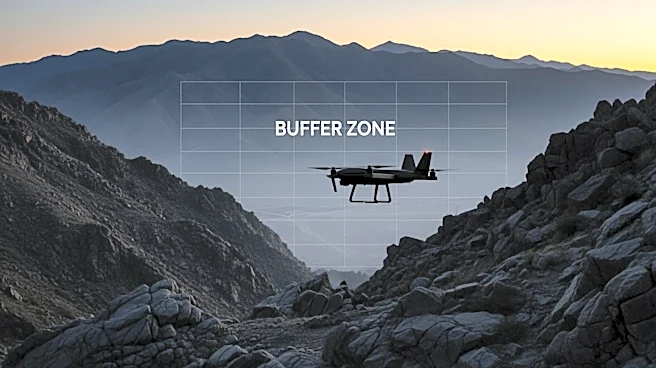
Israel's defense strategy in Lebanon, aimed at creating a buffer zone to protect northern communities from Hezbollah, is under scrutiny. The strategy involves pushing Hezbollah forces away from the border, but critics argue it may inadvertently create
a 'drone war trap.' Long-range rockets and anti-tank missiles have already bypassed previous buffer zones, and the rise of drone warfare presents new challenges. Drones, being inexpensive and difficult to counter, could turn the buffer zone into a vulnerable area for Israeli forces and civilians.
Why It's Important?
The proposed buffer zone strategy reflects Israel's ongoing security concerns regarding Hezbollah's military capabilities. However, the potential for increased drone warfare poses significant risks, as drones can easily penetrate defenses and target Israeli communities. This situation highlights the evolving nature of modern warfare, where traditional military strategies may be insufficient against new technologies. The outcome of this strategy could influence regional stability and Israel's security policies, impacting both military and civilian life in northern Israel.