


What's Happening?
NASA's Science Mission Directorate has selected 19 new citizen science proposals for 2026, aiming to expand public involvement in scientific research. These projects cover a range of disciplines, including astrophysics, heliophysics, and planetary sciences.
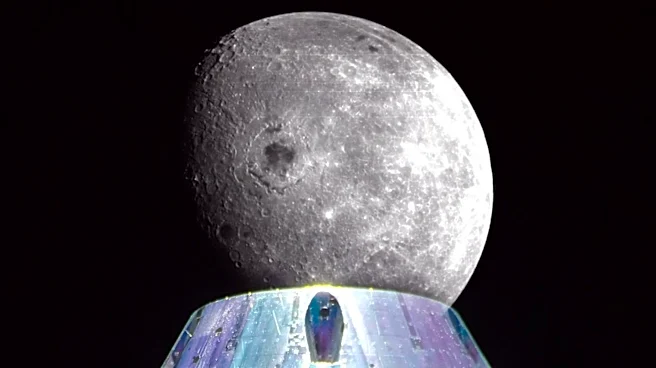
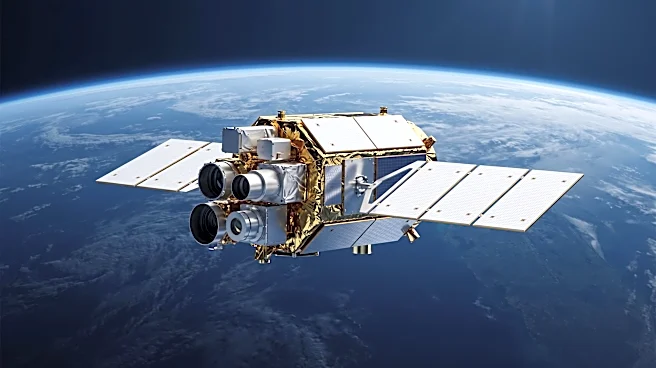
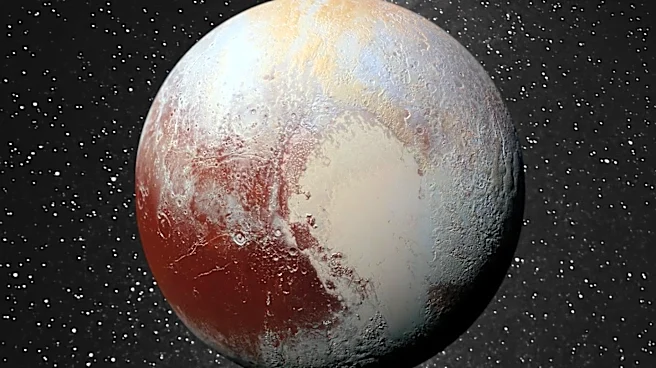
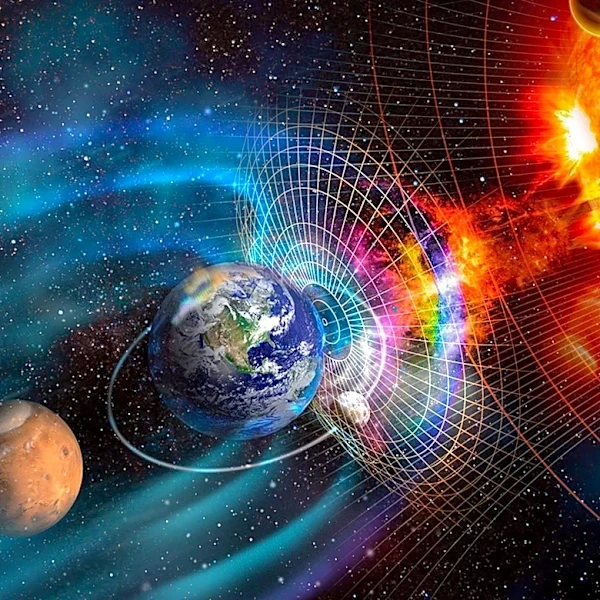
One notable initiative, 'Arctic Learning and Engagement with NASA Data for Community Solutions (Arctic LENS),' led by Principal Investigator Katie Spellman of the University of Alaska Fairbanks, will engage Alaskans in monitoring seasonal environmental changes such as snow, ice, aurora, and green-up. This data will support various NASA missions, including FORTE, SWOT, PACE, and Landsat. Other selected projects include 'The Rogue Worlds Project' for identifying free-floating planets, 'Space Weather UnderGround' for monitoring Earth's magnetosphere, and 'Mapping Lunar Iron Abundance Hotspots' for lunar exploration. The Citizen Science Seed Funding Program (CSSFP-25) specifically supports scientists in developing these community-driven research efforts.
Why It's Important?
These citizen science initiatives are crucial for advancing scientific understanding by leveraging the collective power of public participation. By engaging a broader audience, NASA can gather vast amounts of data that would be otherwise inaccessible, accelerating research in critical areas like climate change, space weather, and exoplanet discovery. The involvement of citizens, particularly in projects like Arctic LENS, fosters a deeper connection between communities and scientific endeavors, promoting environmental awareness and scientific literacy. This approach also democratizes science, allowing individuals without formal scientific training to contribute meaningfully to NASA's missions. The data collected by these citizen scientists can provide vital ground-truthing and long-term monitoring, enhancing the accuracy and scope of satellite observations and scientific models.
What's Next?
The selected projects will commence in 2026, with NASA providing support for their development and implementation. Citizen scientists across the U.S. will have opportunities to participate in diverse research activities, from classifying galaxies to monitoring space weather and contributing to lunar mapping. NASA will continue to promote these programs, encouraging public engagement and collaboration. The data and findings generated from these projects are expected to contribute to scientific publications and inform future NASA missions. The success of these initiatives may also lead to the expansion of citizen science programs, further integrating public participation into national scientific research efforts and fostering a new generation of scientists and informed citizens.
Beyond the Headlines
The growing emphasis on citizen science reflects a broader shift towards more inclusive and collaborative scientific models. This approach not only enhances data collection but also builds trust and understanding between the scientific community and the public. Ethically, it raises questions about data ownership, quality control, and the recognition of citizen contributions, which NASA addresses through structured programs and clear guidelines. Culturally, these projects can inspire a sense of shared purpose and wonder, connecting individuals to grand scientific challenges. Long-term, the success of citizen science could redefine how scientific research is conducted, making it more accessible, transparent, and responsive to societal needs, while also fostering a more scientifically literate populace capable of engaging with complex issues.