



What's Happening?
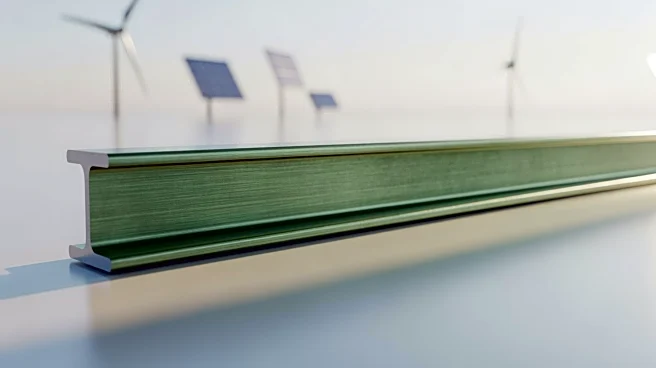
The COP30 summit has resulted in a significant breakthrough for the steel industry with the establishment of harmonized standards for low-carbon steel. This agreement aims to create a level playing field for green steel worldwide, providing clarity for buyers
and confidence for investors. The summit also saw the launch of the Open Coalition on Carbon Pricing by Brazil, China, and the EU, which seeks to make carbon markets more ambitious and interoperable. Despite these advancements, the summit fell short in addressing the financing of industrial decarbonization at scale. The private sector, however, showed readiness to innovate and invest, provided that clear and consistent climate policies are in place.
Why It's Important?
The establishment of global standards for low-carbon steel is crucial as the steel industry accounts for nearly 10% of global greenhouse gas emissions. Decarbonizing steel production can significantly reduce emissions across various sectors, including automotive and construction, thereby strengthening supply chain resilience and enhancing industrial competitiveness. The move towards harmonized standards is expected to accelerate the adoption of sustainable materials, rewarding innovation and scaling up circular business models. The private sector's involvement, driven by clear policies, is essential for unlocking capital and driving the transition to a low-carbon economy.
What's Next?
The next steps involve turning pledges into practical actions, with a summit in Colombia planned for April to coordinate fossil fuel phase-outs. Governments are urged to create conditions that make sustainable investments financially viable through tax reforms and procurement policies. The private sector is expected to continue investing in low-carbon solutions, setting the pace for the transition. The success of these initiatives will depend on the alignment of regulatory frameworks and incentives with climate goals.
Beyond the Headlines
The push for low-carbon steel and carbon market reforms highlights the broader shift towards sustainable industrial practices. This transition not only addresses climate change but also positions industries for future competitiveness. The focus on harmonized standards and carbon pricing reflects a growing recognition of the need for coordinated global efforts to tackle environmental challenges. The developments at COP30 underscore the importance of integrating sustainability into economic and industrial strategies.