


What's Happening?
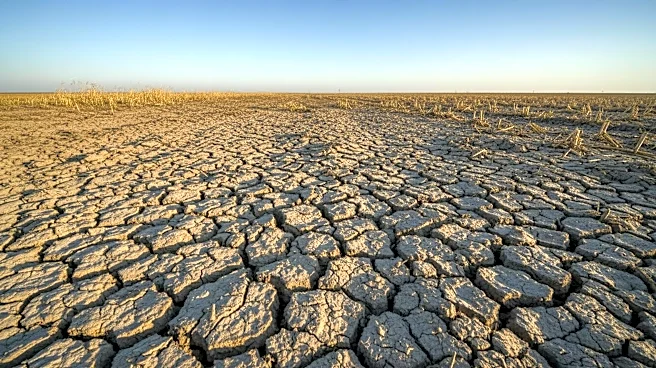
The United States Department of Agriculture (USDA) has designated several counties across Kentucky, Indiana, Tennessee, and Virginia as natural disaster areas due to severe drought conditions. This designation enables the USDA Farm Service Agency (FSA)
to provide emergency credit through emergency loans to agricultural producers recovering from these natural disasters. These loans are designed to help farmers meet various recovery needs, including replacing essential items like equipment or livestock, reorganizing farming operations, or refinancing certain debts. The FSA will evaluate loan applications based on the extent of losses, available security, and the applicant's ability to repay. The affected counties experienced a drought intensity of D2 (Severe Drought) for eight or more consecutive weeks, or D3 (Extreme Drought) or D4 (Exceptional Drought) during the growing season, according to the U.S. Drought Monitor. The application deadline for these emergency loans is March 29, 2027.
Why It's Important?
This action by the USDA is crucial for the economic stability of agricultural communities in the affected states. Drought conditions can severely impact crop yields and livestock health, leading to significant financial losses for farmers. The availability of emergency loans provides a vital safety net, preventing potential bankruptcies and ensuring the continuity of farming operations. By offering financial assistance for equipment replacement, operational reorganization, and debt refinancing, the USDA helps farmers mitigate the long-term effects of natural disasters. This support not only aids individual producers but also contributes to the resilience of the regional agricultural economy, which is a significant component of the broader U.S. food supply chain. Without such interventions, prolonged drought could lead to higher food prices, reduced agricultural output, and increased economic hardship in rural areas.
What's Next?
Farmers in the designated primary and contiguous counties in Kentucky, Indiana, Tennessee, and Virginia can now apply for emergency loans through their local FSA offices. The FSA will review these applications, assessing the extent of losses, available security, and repayment capabilities to determine eligibility and loan amounts. The application window extends until March 29, 2027, providing ample time for affected producers to gather necessary documentation and submit their requests. The USDA will continue to monitor drought conditions and may issue further disaster declarations if new areas are impacted or existing conditions worsen. Additionally, the agency will likely provide guidance and support to help farmers navigate the application process and implement recovery strategies.
Beyond the Headlines
The recurring need for emergency agricultural aid due to climate-related events like drought highlights broader challenges facing the U.S. agricultural sector. While immediate financial relief is critical, these events underscore the increasing vulnerability of farming to climate change. This situation prompts deeper discussions about long-term strategies for agricultural resilience, including investments in drought-resistant crops, water conservation technologies, and improved climate forecasting. It also raises questions about the adequacy of existing insurance programs and the need for more comprehensive risk management tools for farmers. The continuous cycle of disaster declarations and aid packages points to the systemic impact of environmental shifts on food security and the economic well-being of rural America, necessitating a re-evaluation of sustainable agricultural practices and policy frameworks.