



What's Happening?
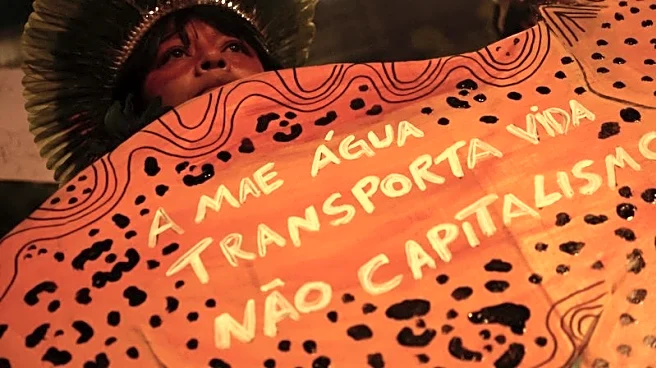
The Brazilian government has decided to revoke a decree signed by President Luiz Inácio Lula da Silva that allowed private concessions for waterways. This decision comes after 33 days of protests by thousands of Indigenous people at a Cargill facility
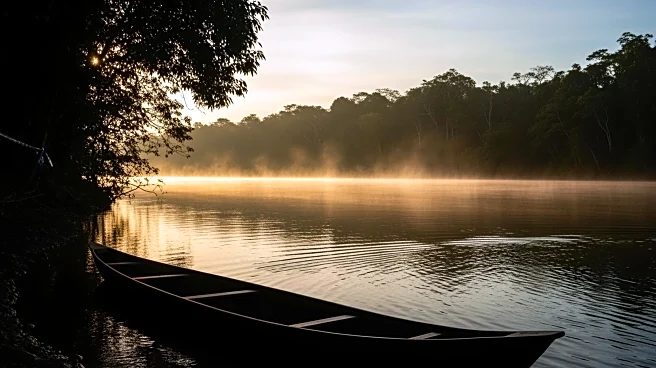
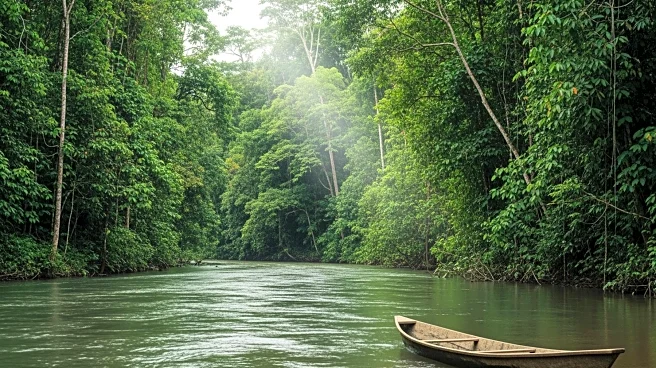
in Santarem, northern Brazil. The decree had authorized the government to assess the concession of waterways to private operators, including responsibilities for maintenance, dredging, and vessel-traffic management. Indigenous groups argued that these dredging projects threatened the Tapajos River, Indigenous territories, and the ecological balance of the Amazon rainforest. The protests drew national attention and sparked solidarity demonstrations across Brazil, highlighting contradictions in Lula's agenda, which includes large infrastructure projects that could affect the forest while pledging to be a climate leader.
Why It's Important?
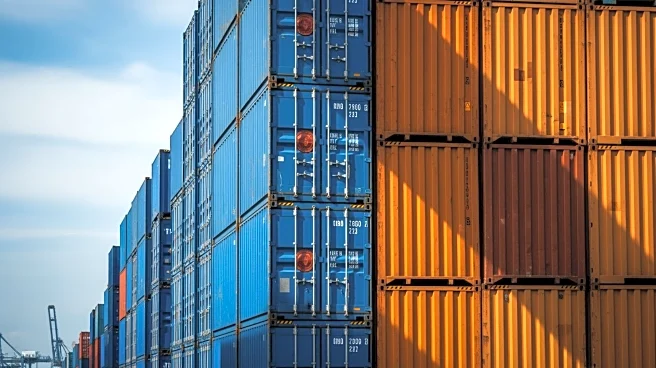
The revocation of the decree marks a significant victory for Indigenous movements in Brazil, emphasizing the power of collective action in influencing government decisions. The Amazon rainforest plays a crucial role in global climate regulation, and its preservation is vital for mitigating climate change impacts worldwide, including in the U.S. Midwest and parts of Europe. The decision also reflects the political challenges faced by President Lula, as it potentially puts him at odds with Brazil's powerful agribusiness sector, which is not traditionally aligned with him. This sector is crucial for Brazil's economy, being the world's largest soybean producer and a major player in global agricultural exports.
What's Next?
The revocation of the decree may lead to further negotiations between the government and Indigenous groups to address their concerns about environmental protection and sustainable development. It could also prompt discussions on balancing economic growth with ecological preservation, especially in regions like the Amazon that are critical for global climate stability. The decision may influence future infrastructure projects in Brazil, requiring more stringent environmental assessments and stakeholder consultations.
Beyond the Headlines
The protests and subsequent government action highlight the ongoing struggle for Indigenous rights and environmental justice in Brazil. It underscores the importance of Indigenous knowledge and leadership in conservation efforts, as well as the need for inclusive policy-making that respects the rights and territories of Indigenous peoples. The situation also raises questions about the ethical implications of large-scale infrastructure projects in ecologically sensitive areas and the long-term impacts on biodiversity and cultural heritage.