

What's Happening?
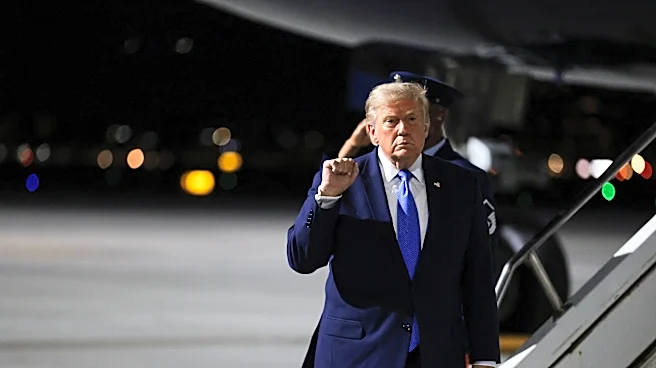
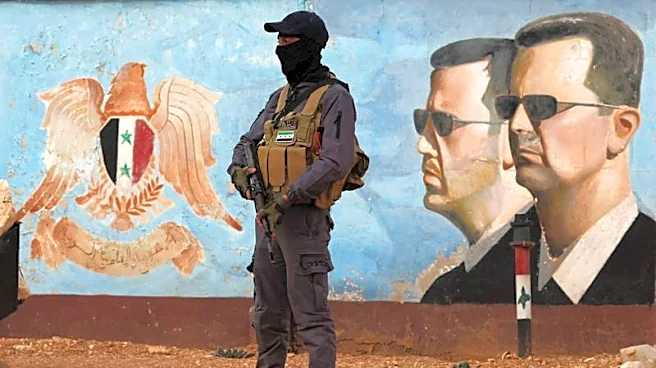
The International Atomic Energy Agency (IAEA) is set to remove nuclear material from a clandestine site in Syria, known as 'Site 99', following an agreement facilitated by the Trump administration with Syria and Israel. This site contains yellowcake and nuclear residue
from the Assad era, linked to the Al-Kibar reactor project, which was bombed by Israel in 2007. The material, while not suitable for nuclear weapons, could potentially be used in a 'dirty bomb'. The agreement aims to prevent escalation between Israel, Syria, and Turkey, following months of secret negotiations and diplomatic exchanges.
Why It's Important?
This development is significant as it highlights the ongoing efforts to manage nuclear proliferation risks in the Middle East. The removal of nuclear material from Syria could prevent potential regional conflicts, particularly involving Israel, which has expressed concerns over the material's presence. The agreement also underscores the diplomatic role of the United States in mediating sensitive international security issues. Furthermore, it reflects Syria's new government's willingness to address legacy issues from the Assad regime, potentially improving its international standing.
What's Next?
The IAEA's removal of the nuclear material is expected to proceed, although the exact timeline remains unspecified. Continued monitoring by Israel and the United States is likely to ensure compliance with the agreement. The situation may also influence future diplomatic relations and security arrangements in the region, particularly concerning Syria's interactions with neighboring countries and international bodies.