
What's Happening?
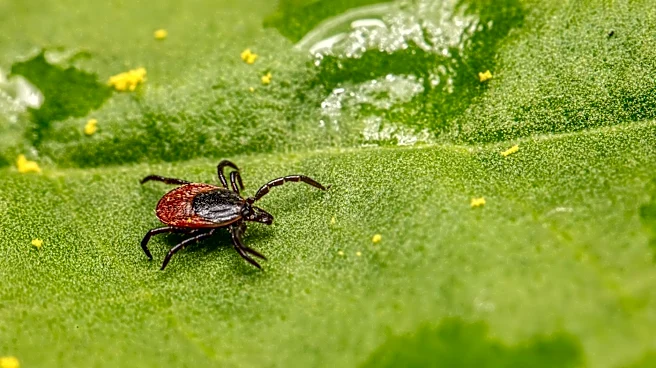
The Centers for Disease Control and Prevention (CDC) has reported the detection of a new strain of Lyme disease, B. mayonii, in upstate New York. This case was identified in an adult from Herkimer County
who had not traveled recently, suggesting local transmission. The New York State Health Department found ticks on the individual's property that tested positive for the bacterium. However, a broader search involving over 1,500 ticks from 24 counties did not reveal further cases. This discovery highlights the evolving nature of tick-borne diseases and their geographic spread.
Why It's Important?
The identification of a new Lyme disease strain in New York is significant for public health, as it underscores the need for ongoing surveillance and research into tick-borne diseases. Lyme disease is already a major concern in the U.S., with thousands of cases reported annually. The emergence of a new strain could complicate diagnosis and treatment, potentially leading to increased healthcare costs and public health challenges. It also emphasizes the importance of preventive measures and public awareness to mitigate the spread of tick-borne illnesses.
What's Next?
Health authorities may increase monitoring and research efforts to better understand the prevalence and impact of the B. mayonii strain. Public health campaigns could be intensified to educate residents about tick prevention and the importance of early detection and treatment of Lyme disease. Further studies might explore the ecological factors contributing to the spread of this new strain and develop strategies to control tick populations.