




What's Happening?
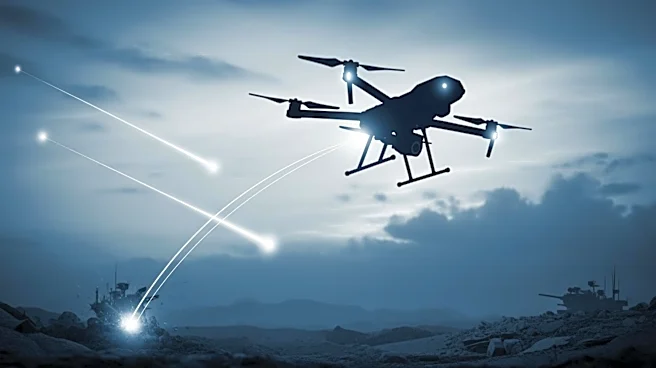
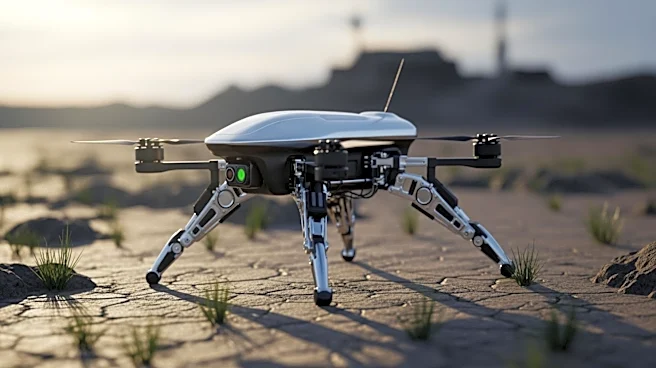
Ukrainian forces have successfully operated a Sting interceptor drone at a range of 2,000 kilometers, showcasing significant advancements in their drone technology. This development comes as Russian forces continue to launch long-range drone and missile
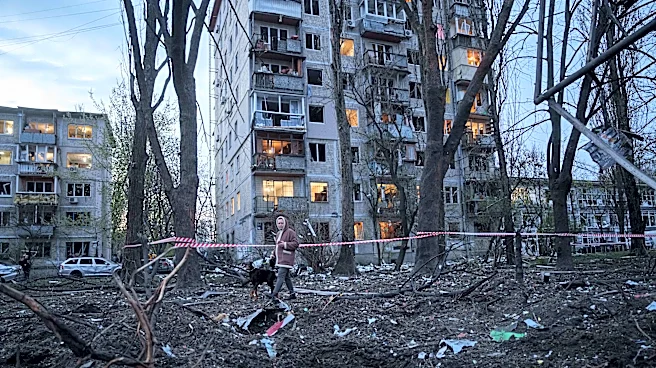
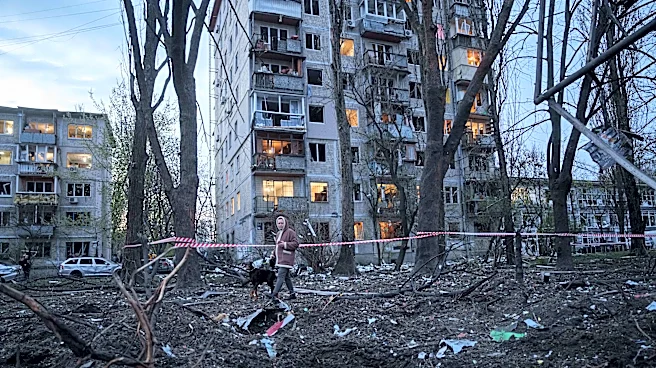
strikes against Ukraine. On April 16-17, Russian forces launched an Iskander-M ballistic missile and 172 long-range drones, including Shahed-type drones, targeting various Ukrainian regions. Ukrainian air defense managed to down 147 drones, but some strikes hit energy, transport, and residential infrastructure in areas like Chernihiv and Odesa. The Ukrainian Air Force and officials have warned of Russia's plans to conduct more frequent large-scale strikes, potentially involving 400 drones and 20 missiles per month.
Why It's Important?
The ongoing conflict and technological advancements in drone warfare have significant implications for Ukraine's defense strategy and regional stability. The ability of Ukrainian forces to intercept long-range drones at extended distances highlights their growing capability to counter Russian aerial threats. This development is crucial for protecting critical infrastructure and maintaining operational resilience. Additionally, the increased frequency of Russian strikes poses a continuous threat to Ukraine's infrastructure and civilian safety, potentially escalating the conflict further. The situation underscores the importance of international support and collaboration in enhancing Ukraine's defense capabilities.
What's Next?
As the conflict continues, Ukraine is likely to further develop and deploy advanced drone technologies to counter Russian strikes. The international community may increase support for Ukraine's defense efforts, potentially leading to more joint production agreements with defense companies. Russia's strategy of frequent large-scale strikes could provoke stronger international responses, including sanctions or diplomatic pressure. The ongoing conflict may also influence global energy markets, as disruptions in Russian oil exports due to Ukrainian strikes could impact global supply and prices.
Beyond the Headlines
The conflict's escalation and the use of advanced drone technology raise ethical and legal questions about modern warfare. The integration of live video guidance and long-range capabilities in drones could set precedents for future conflicts, influencing international norms and regulations. Additionally, the impact on civilian populations and infrastructure highlights the humanitarian challenges in conflict zones, necessitating increased attention to civilian protection and post-conflict reconstruction efforts.