







What's Happening?
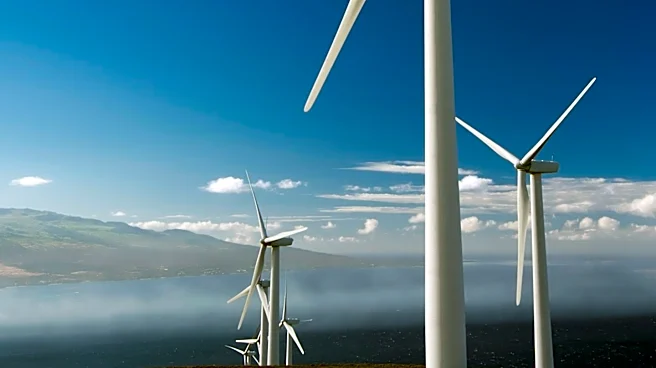
The U.S. Department of Energy is currently navigating significant challenges in the renewable energy sector, particularly in wind power development. The Trump administration has implemented a series of measures aimed at halting wind development, including
an executive order that placed a moratorium on wind project approvals on federal lands and waters. This order was later deemed illegal by a federal judge. Additionally, stop-work orders were issued for several offshore wind farms, which were only lifted after legal challenges. The Pentagon has also been accused of suspending security reviews necessary for turbine projects, affecting over 100 projects and nearly $50 billion in investments. These actions have created a precarious situation for the wind industry, with capital investments frozen and companies reconsidering their development plans.
Why It's Important?
The halt in wind development has significant implications for the U.S. renewable energy sector. The wind industry, which has been a major contributor to clean energy, is facing a decline in new projects due to these administrative actions. This situation not only affects the industry's growth but also impacts the broader goal of transitioning to renewable energy sources. The uncertainty and risk associated with wind projects may deter future investments, potentially slowing down the U.S.'s progress in reducing carbon emissions. Moreover, the end of tax credits and other economic challenges like inflation and supply chain issues further complicate the industry's outlook.
What's Next?
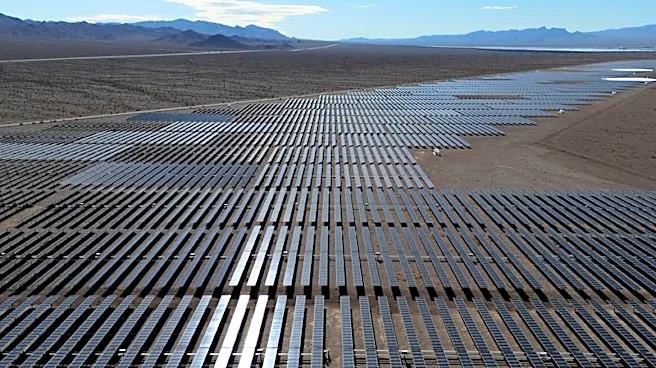
The wind industry is likely to continue facing challenges unless there is a shift in policy or legal resolutions that favor renewable energy development. Companies may need to explore alternative strategies or focus on other renewable sources like solar, which currently offers more economic advantages. The ongoing legal battles and potential policy changes will be crucial in determining the future landscape of wind energy in the U.S. Stakeholders, including clean energy groups and developers, are expected to continue advocating for policy changes that support renewable energy growth.
Beyond the Headlines
The broader implications of these developments extend to the U.S.'s ability to meet its climate goals and commitments to international agreements on carbon reduction. The legal and administrative hurdles faced by the wind industry highlight the complex interplay between government policy and renewable energy development. This situation underscores the need for a cohesive and supportive policy framework that aligns with environmental objectives and economic realities.