

What's Happening?
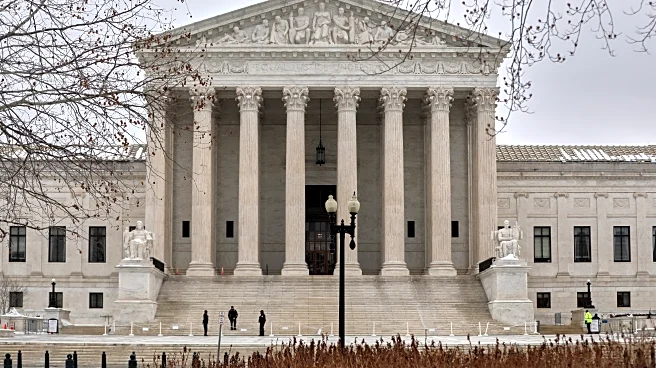
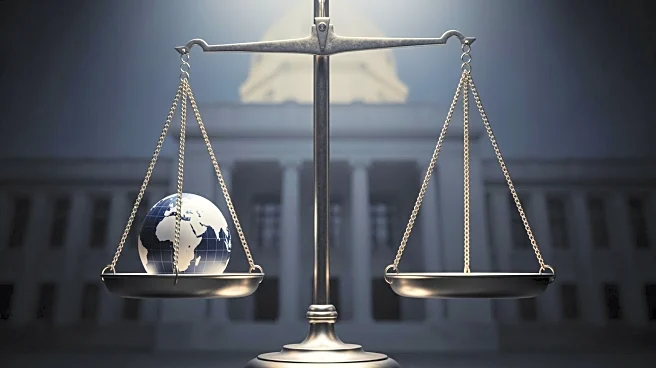
The U.S. Supreme Court has ruled against President Trump's use of the International Emergency Economic Powers Act (IEEPA) to impose tariffs, stating that the act does not authorize such measures. This decision, resulting from the case Learning Resources,
Inc. v. Trump, effectively nullifies a significant portion of tariffs imposed under this authority. The ruling has created uncertainty regarding the refund of over $175 billion in tariffs already collected. President Trump has announced plans to explore other legal avenues to reimpose tariffs, potentially using statutes like Sections 232 and 301, which involve more procedural requirements. The decision has significant implications for existing trade agreements structured around these tariffs.
Why It's Important?
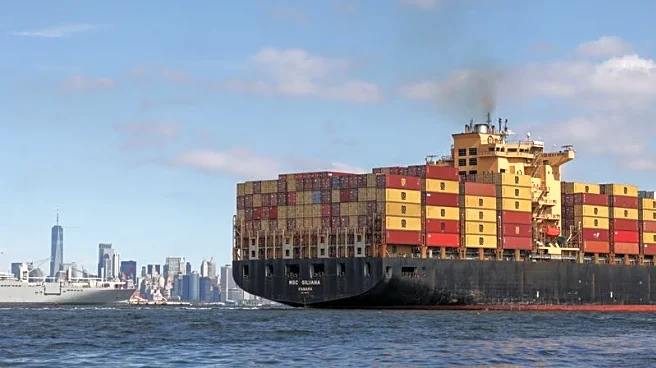
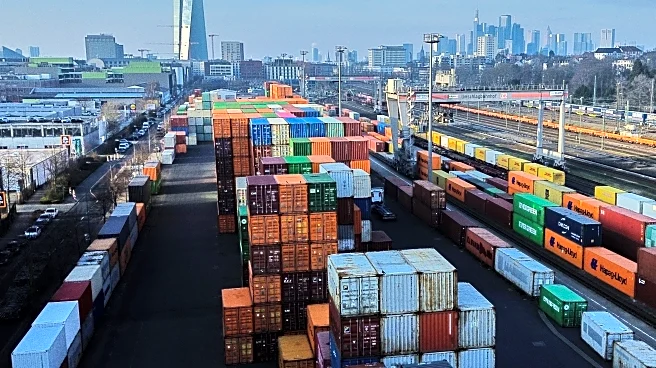
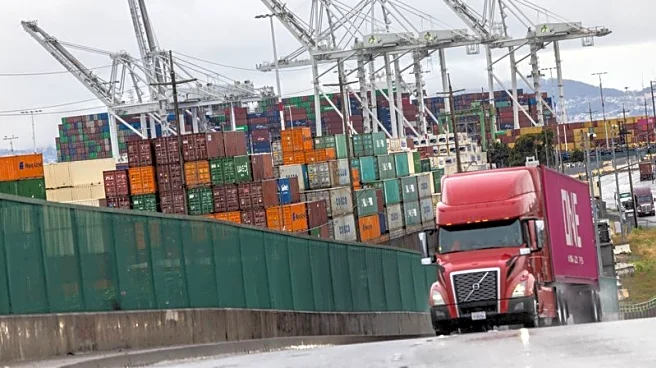
The Supreme Court's decision significantly impacts U.S. trade policy and the global trade landscape. Businesses that have been navigating fluctuating tariff rates now face uncertainty regarding potential refunds and future tariff structures. The ruling may lead to renegotiations of trade agreements with key partners like the European Union, Japan, and South Korea, which were based on the IEEPA tariffs. The decision also highlights the limitations of presidential power in trade matters, emphasizing the need for clear congressional authorization for actions of major economic significance. This could lead to a more stable and predictable trade environment in the long term, but the immediate future remains uncertain.
What's Next?
Following the ruling, President Trump has indicated plans to use alternative legal authorities to reimpose tariffs, though these come with procedural hurdles that could delay implementation. Businesses are advised to review their tariff exposure and consider filing refund claims for IEEPA tariffs. The administration's next steps will likely involve navigating these legal processes to maintain tariff levels, while businesses must prepare for potential changes in trade agreements and supply chain disruptions. The situation remains fluid, with potential for further legal challenges and adjustments in trade policy.