





What's Happening?
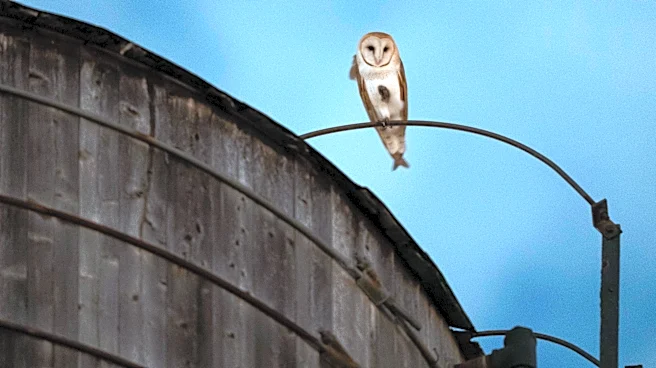
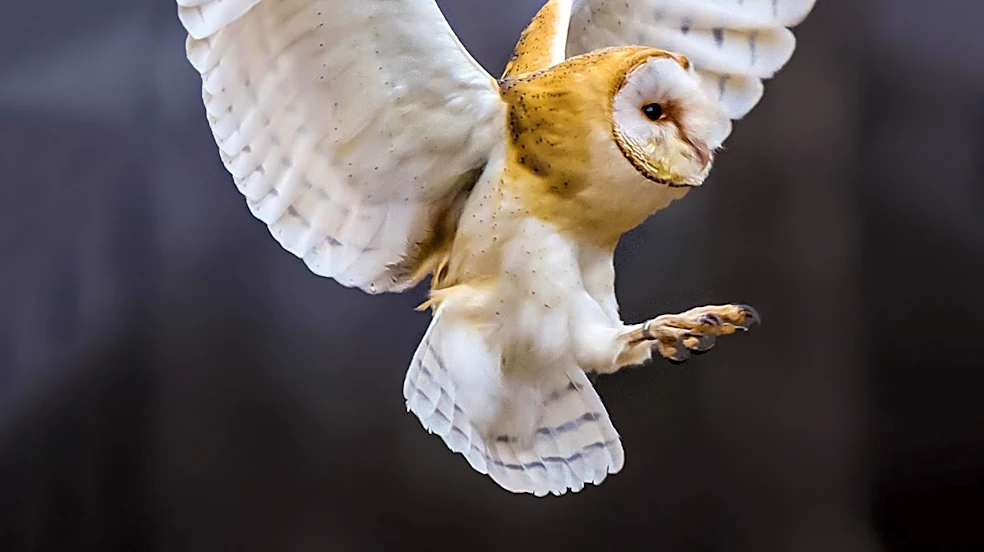
A family of barn owls has nested in a water tower atop a building on Manhattan's Upper West Side, near Central Park. This marks the first documented instance of barn owls nesting in Manhattan in modern history, according to Andrew Farnsworth, a migration
ecologist at the Cornell Lab of Ornithology. The discovery gained public attention last week when Upper West Side resident Elisabeth Williams reported seeing multiple owls at the water tower. Previously, she and her husband had observed a single owl on an apartment windowsill. The presence of these elusive birds has drawn nightly crowds of onlookers and photographers to the street, eager to catch a glimpse. Barn owl sightings are generally rare in New York City, and their population has seen an alarming decline, making this nesting event particularly significant.
Why It's Important?
The nesting of a barn owl family in a densely populated urban area like Manhattan is important for several reasons. Ecologically, it highlights the adaptability of wildlife and the potential for urban environments to support diverse species, even those with declining populations. The event provides a unique opportunity for urban residents to connect with nature, fostering a greater appreciation for wildlife conservation. The public's fascination, as evidenced by the nightly gatherings, underscores a broader interest in environmental issues and the natural world. For ornithologists and conservationists, this rare occurrence offers valuable insights into barn owl behavior, habitat selection, and survival strategies in human-dominated landscapes. It also brings attention to the challenges faced by barn owls, such as habitat loss and the dangers of rodenticides, which can impact their food sources.
What's Next?
The immediate future will likely see continued public interest and observation of the barn owl family. Residents and birders will monitor the owls' activities, particularly the fledglings' development and eventual departure from the nest. Conservation groups and local authorities may increase efforts to protect the owls and their habitat, potentially through public awareness campaigns about urban wildlife and the dangers of rodenticides. The New York City Department of Parks & Recreation and organizations like the NYC Bird Alliance may use this event to educate the public on urban biodiversity and the importance of creating wildlife-friendly environments. Researchers may also initiate studies to understand the factors that led to this unprecedented nesting in Manhattan and to track the long-term success of this owl family.
Beyond the Headlines
Beyond the immediate excitement, the barn owl nesting in Manhattan carries deeper implications for urban planning and human-wildlife coexistence. It challenges the perception of cities as solely human domains, suggesting that with careful consideration, urban spaces can become vital habitats for various species. This event could inspire a re-evaluation of urban green spaces, building designs, and pest control methods to be more wildlife-friendly. Ethically, it raises questions about human responsibility towards urban wildlife and the balance between urban development and ecological preservation. Culturally, the owls have become a symbol of nature's resilience and the unexpected beauty that can be found in the heart of a bustling metropolis, potentially influencing public attitudes towards conservation and environmental stewardship in urban settings.