



What's Happening?
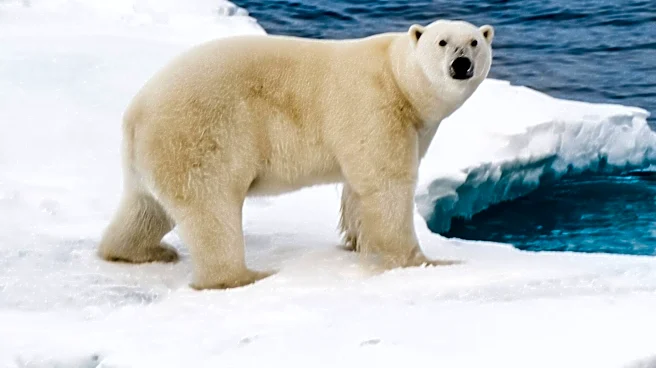
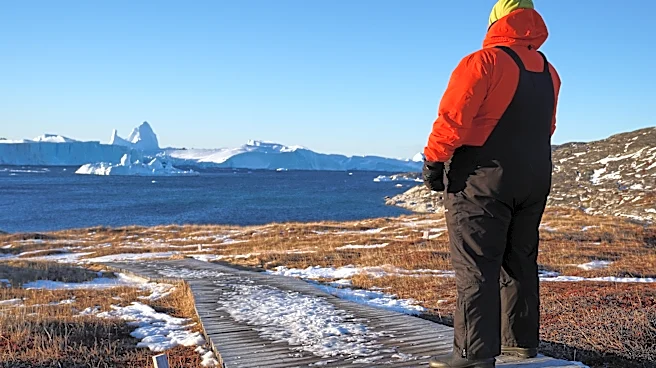
A guided rafting trip on Alaska's Canning River, which flows from the Brooks Range to the Arctic Coastal Plain, experienced an unexpected encounter with a polar bear. On the final day of the week-long trip, a guide spotted a polar bear approximately a quarter-mile
from their camp. The bear, appearing healthy and fat, was observed resting on a bluff. The previous year, sea ice, crucial for polar bear hunting, had shrunk to its third-lowest extent on record, suggesting the bear might have ventured inland due to hunger or curiosity. The rafting group maintained a low profile and remained downwind, preventing the bear from detecting their presence. Later, two hunters in a raft, unaware of the polar bear, floated past the area. The rafting group departed two hours after the initial sighting, just as the bear began moving towards their former campsite, sniffing and pawing at the tundra.
Why It's Important?
This incident underscores the critical importance of wildlife awareness and preparedness for individuals and groups operating in remote wilderness areas, particularly in regions affected by climate change. The shrinking sea ice, a direct consequence of climate shifts, is altering polar bear behavior, potentially driving them further inland in search of food. This increases the likelihood of human-wildlife encounters, posing risks to both humans and the animals. For guides and outdoor enthusiasts, the ability to detect wildlife first can be a matter of survival, as highlighted by the guide's reflection on unknowingly courting disaster. The event also brings attention to the broader ecological impacts of climate change on Arctic ecosystems and the need for enhanced safety protocols and environmental education for those venturing into these changing landscapes.
What's Next?
The immediate next steps for individuals and groups operating in similar Arctic environments will likely involve a continued emphasis on heightened vigilance and adherence to established wildlife safety protocols. This incident may prompt discussions among guiding companies and wilderness organizations about updating their safety briefings and equipment, potentially including more robust methods for early detection of large predators. For wildlife management agencies, such encounters could contribute to ongoing research into polar bear migration patterns and the effects of climate change on their habitat and behavior. Public awareness campaigns might also be reinforced to educate tourists and residents about safe practices in polar bear country, especially as environmental changes continue to influence wildlife movements.
Beyond the Headlines
The encounter on the Canning River transcends a simple wildlife sighting, offering a poignant illustration of the profound and often unpredictable consequences of climate change on natural ecosystems and human interaction with them. The shrinking sea ice, a direct result of global warming, forces polar bears to adapt their hunting grounds, leading to increased inland movements and potential conflicts with human populations. This situation raises ethical questions about human responsibility in mitigating climate change and coexisting with wildlife in altered environments. It also highlights the psychological impact of such encounters, where the line between awe and fear becomes blurred, forcing individuals to confront their vulnerability in the face of nature's raw power. The incident serves as a stark reminder of the interconnectedness of environmental health, wildlife survival, and human safety in the rapidly changing Arctic.