





What's Happening?
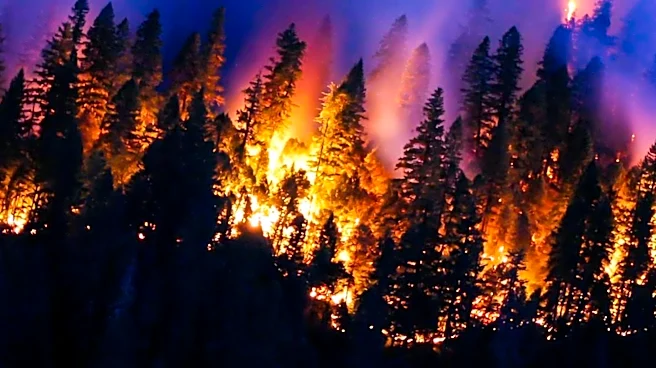
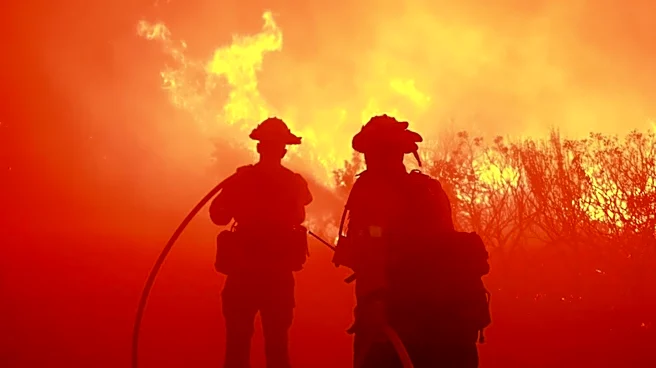
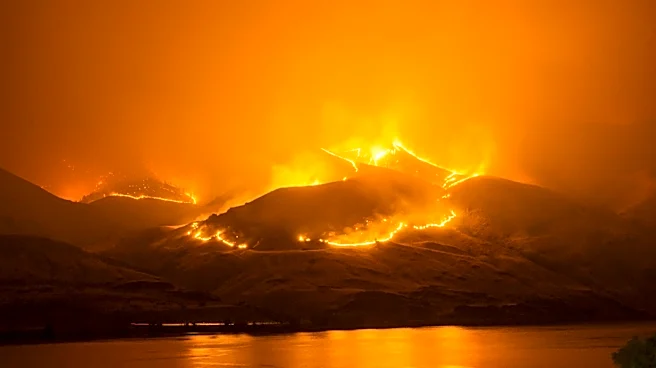
Custer County, Montana, has experienced nearly 30 wildfires in just three days, primarily sparked by lightning and roadway sources. Fire Chief Cory Cheguis reports that the relentless pace has stretched resources thin, with crews working tirelessly to
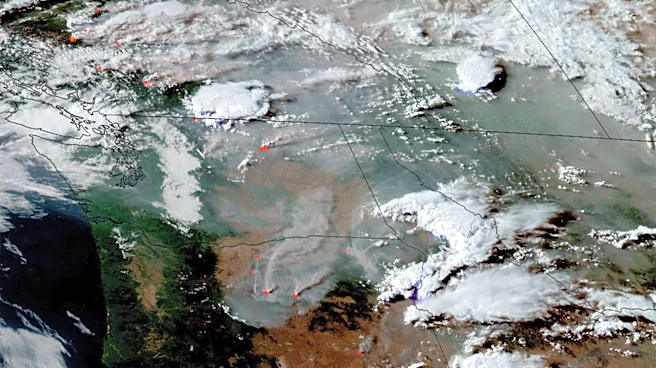
contain each fire before it spreads. The county relies on a large volunteer force and strategically placed wildland trucks to respond quickly. Some fires were linked to passing vehicles, with potential financial repercussions for those responsible. The department has also utilized aerial fire detection technology from the Montana Department of Natural Resources and Conservation to identify and respond to fires more efficiently. Despite the challenges, firefighters remain committed to managing the situation as hot, dry conditions persist.
Why It's Important?
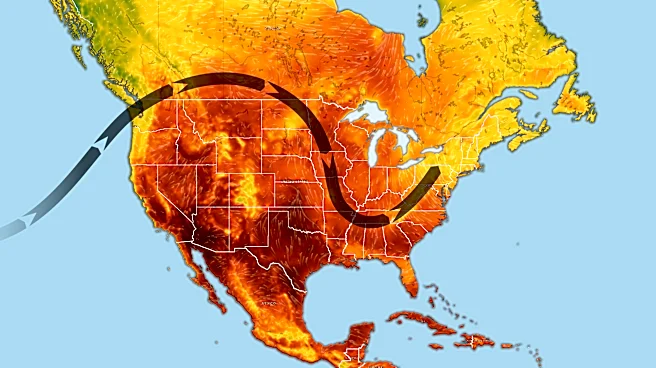
The surge in wildfires underscores the increasing frequency and intensity of fire seasons in the western United States, driven by climate change and prolonged dry conditions. The situation highlights the critical role of local fire departments and volunteers in managing natural disasters and protecting communities. The use of advanced technology, such as aerial fire detection, demonstrates the importance of innovation in enhancing firefighting capabilities. The financial and environmental impacts of wildfires are significant, affecting local economies, air quality, and public health. This development may lead to increased investment in firefighting resources and strategies to mitigate future risks.