



What's Happening?
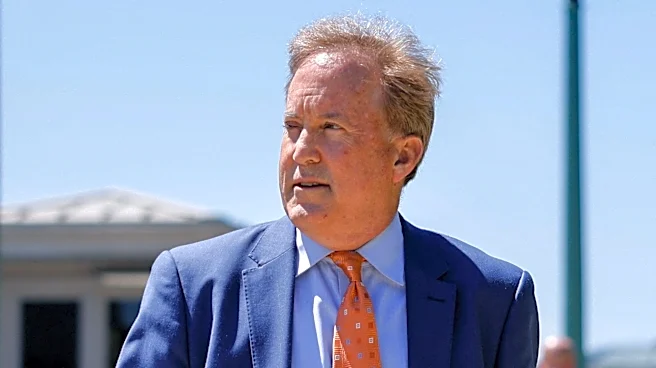
During the recent congressional recess, Representative Nathaniel Moran (R-TX) met with credit union representatives in Tyler, Texas. Red River Credit Union and TEXAR Federal Credit Union joined Moran on a tour of the Federal Crimes Intelligence Center.
The discussions focused on the daily fraud challenges faced by credit union members, with a particular emphasis on elder fraud schemes that disproportionately affect older individuals. This engagement was part of a broader effort by America’s Credit Unions, leagues, and individual credit unions to connect with members of Congress in their home districts to advocate for their priorities. Other meetings across the country included discussions on topics such as interchange fees, additional investment authorities, and the role of credit unions in community investment.
Why It's Important?
The engagement between Representative Moran and credit unions highlights the ongoing efforts by financial institutions to address critical issues impacting their members, particularly the vulnerable elderly population. Fraud, especially elder fraud, represents a significant threat to the financial well-being of many Americans, and credit unions are often on the front lines of assisting victims. By bringing these concerns directly to lawmakers like Representative Moran, credit unions aim to influence policy and secure legislative support for measures that can protect consumers and enhance financial security. The discussions also underscore the broader advocacy priorities of the credit union industry, which include seeking regulatory frameworks that support their ability to provide affordable services and invest in their communities. This interaction is crucial for ensuring that the concerns of local financial institutions and their members are heard at the federal level.
What's Next?
Following these congressional engagements during the August recess, House members are returning to Capitol Hill. It is anticipated that the insights gained from these meetings, particularly regarding fraud and other credit union priorities, will inform future legislative discussions and potential policy initiatives. Credit unions and their advocacy groups will likely continue to press for action on issues such as fraud prevention, interchange fee regulations, and expanded investment authorities. Lawmakers like Representative Moran, having directly heard from their constituents and local financial institutions, may introduce or support legislation aimed at addressing these concerns. The ongoing dialogue between credit unions and Congress is expected to shape future financial regulations and consumer protection measures.
Beyond the Headlines
The focus on elder fraud during Representative Moran's meeting with credit unions points to a growing societal challenge that extends beyond financial institutions. Elder fraud often involves sophisticated schemes that exploit trust and vulnerability, leading to significant financial and emotional distress for victims. The involvement of the Federal Crimes Intelligence Center in the discussion underscores the criminal justice dimension of this issue. Addressing elder fraud effectively requires a multi-faceted approach, combining robust financial safeguards, public awareness campaigns, and strong law enforcement efforts. The collaboration between credit unions, law enforcement, and legislators is vital for developing comprehensive strategies to protect older Americans and ensure the integrity of the financial system against evolving criminal tactics.