







What's Happening?
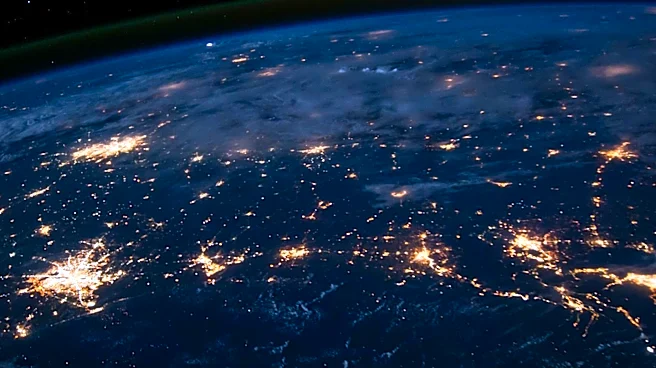
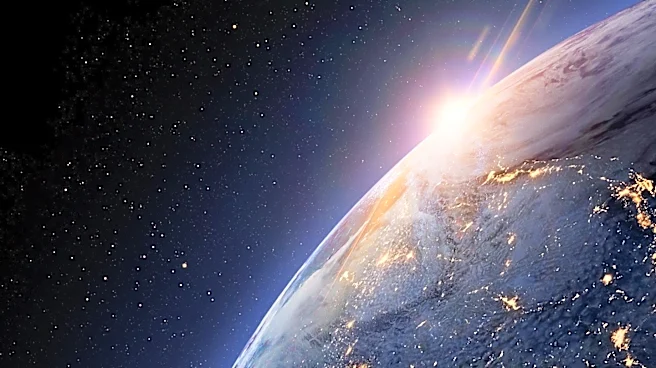
Google Earth recently introduced an AI image generation feature, allowing users to create altered satellite imagery based on prompts. However, the feature was quickly retracted after users began sharing manipulated images that violated Google's policies.
The company cited the need for stronger guardrails to prevent misuse. The feature allowed users to modify real-world locations, raising concerns about the potential for misinformation. Google's decision to pause the feature reflects the challenges tech companies face in balancing innovation with the risk of spreading false information.
Why It's Important?
The incident underscores the broader issue of misinformation in the digital age, particularly with the integration of AI technologies. As AI tools become more accessible, the potential for misuse increases, posing risks to the credibility of trusted platforms like Google Earth. This situation highlights the need for robust safeguards and ethical considerations in the deployment of AI technologies. The case also emphasizes the responsibility of tech companies to ensure their innovations do not inadvertently contribute to the spread of misinformation.
What's Next?
Google plans to implement stronger safeguards before potentially reintroducing the feature. The company will likely focus on developing more effective ways to prevent the misuse of AI-generated content. This may involve collaboration with experts in AI ethics and misinformation to create a framework that balances innovation with user safety. The tech industry will be closely watching Google's approach, as it could influence future developments in AI applications across various platforms.