






What's Happening?
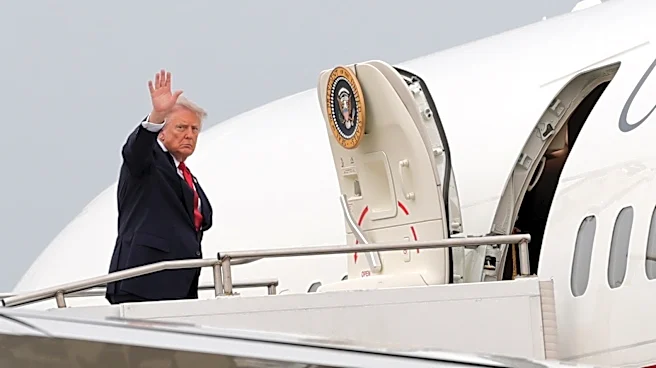
Vermont's Republican Governor Phil Scott has publicly defended the state's mail-in voting system and state-run elections, countering President Trump's calls for a nationalized election system. During a conversation at the National Governors Association
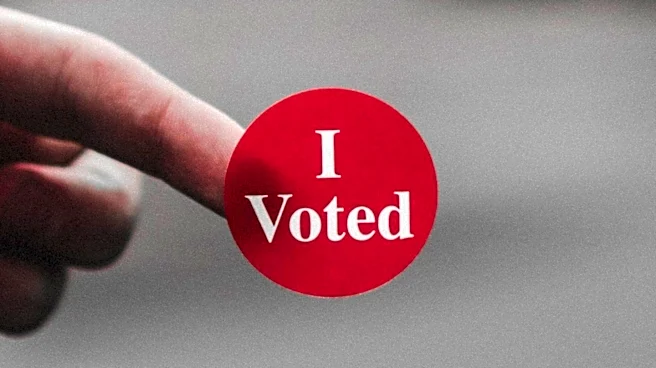
meeting, Scott emphasized the importance of state sovereignty in election administration, citing the 10th Amendment. He noted that mail-in voting is popular among Republicans in Vermont and has increased voter participation, thereby enhancing GOP representation in the state legislature. Scott's comments come in response to President Trump's ongoing efforts to reshape the U.S. election system, including a proposed executive order to create federal voter lists and restrict mail-in ballots to those on the lists. A federal judge recently blocked this order, deeming it unconstitutional, but the Trump administration has appealed to the Supreme Court.
Why It's Important?
The debate over election administration highlights a significant tension between federal and state powers in the U.S. The outcome of this conflict could have profound implications for how elections are conducted across the country. If President Trump's vision for nationalized elections were to be realized, it could centralize control and potentially limit states' abilities to tailor voting systems to their populations' needs. This could affect voter turnout and representation, particularly in states like Vermont where mail-in voting is popular. The legal battles surrounding this issue also underscore the ongoing national discourse on election integrity and the balance of power between state and federal governments.
What's Next?
The Supreme Court's decision on the Trump administration's appeal will be pivotal. If the court sides with the administration, it could pave the way for significant changes in how elections are managed in the U.S. Meanwhile, states like Vermont may continue to resist federal overreach, potentially leading to further legal challenges. The political landscape could also shift depending on the outcome, influencing future legislative efforts related to election reform.