


What's Happening?
A recent study conducted by researchers at the University of Plymouth and Plymouth Marine Laboratory has highlighted a significant gap in public awareness regarding the environmental impact of sunscreen. The research, published in Marine Policy, found
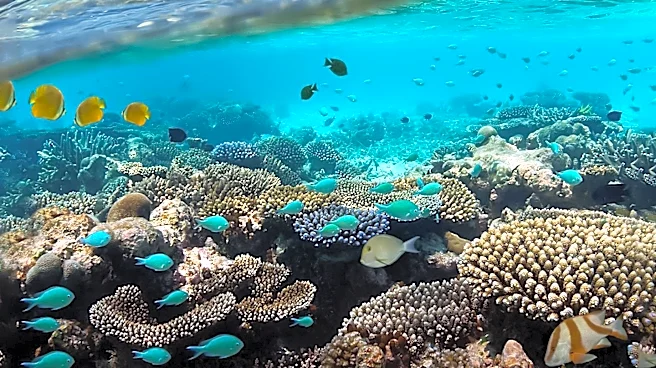
that over half of the participants had never considered the potential harm sunscreen ingredients, particularly UV filters, could cause to marine organisms such as fish, algae, and coral reefs. Despite the existence of 'reef-safe' sunscreens, which are marketed as less harmful to marine life, 81% of respondents were unaware of this term. The study involved 281 participants and was conducted at public engagement events in Plymouth. The findings underscore the need for better public education and clearer product labeling to bridge the gap between scientific evidence and consumer awareness.
Why It's Important?
The study's findings are crucial as they highlight the disconnect between scientific research and public knowledge, which can have significant implications for marine policy and consumer behavior. With the global sunscreen market projected to reach $13.6 billion, the environmental impact of these products is substantial, with thousands of tons of UV filters entering coral reef zones annually. Increased public awareness could drive demand for environmentally friendly products, prompting manufacturers to develop safer alternatives. This shift could lead to policy changes and stricter regulations on sunscreen ingredients, ultimately benefiting marine ecosystems and biodiversity.
What's Next?
The researchers advocate for more comprehensive studies on consumer purchasing habits to understand the factors influencing sunscreen choices. This could inform future policy decisions and ingredient bans, similar to actions taken in other regions. Additionally, there is a call for enhanced public messaging and regulated product information to guide consumers towards environmentally responsible choices. As awareness grows, manufacturers may face pressure to reformulate products, and policymakers might consider implementing stricter regulations on harmful ingredients.
Beyond the Headlines
The study also touches on the broader implications of consumer behavior on environmental sustainability. It raises ethical questions about the responsibility of manufacturers and consumers in protecting marine life. The findings suggest a need for a cultural shift towards more sustainable practices and products, which could extend beyond sunscreen to other consumer goods. This shift could foster a more environmentally conscious society, where individuals are more informed about the ecological impact of their choices.