








What's Happening?
French health authorities have reported the first known human case of Shamonda virus infection in France. The virus was detected in a severely immunocompromised patient who was undergoing treatment for a serious illness in Lyon and subsequently died in early
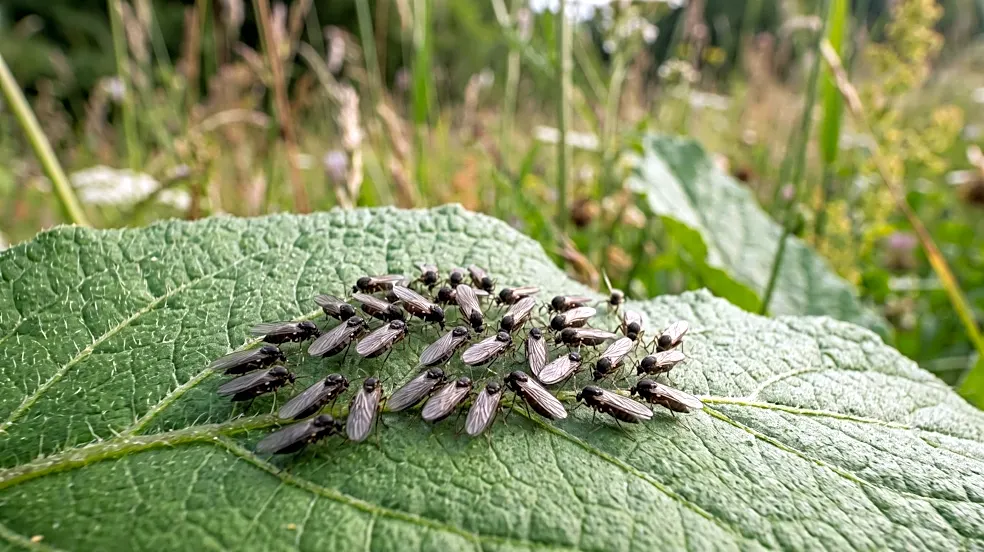
October. The French health ministry stated that, based on current knowledge, no public health risk to the general population has been identified, characterizing this as an exceptional case due to the patient's compromised immune system. The Shamonda virus, typically transmitted to animals by biting midges, was previously considered incapable of infecting humans. It was first identified in Nigeria in the mid-1960s and has been sporadically reported in cattle in Africa and Japan, with its first detection in Europe on cattle farms this summer. The patient was likely infected through a midge bite in eastern France, where the virus was circulating among animals during spring and summer.
Why It's Important?
This case is significant as it marks the first documented human infection with the Shamonda virus, previously thought to be an animal-specific pathogen. While the French health ministry has downplayed the general public health risk due to the patient's immunocompromised status, the occurrence of a zoonotic spillover event warrants close monitoring. It highlights the potential for viruses to cross species barriers, especially in vulnerable individuals. This event could prompt increased surveillance for Shamonda virus in both animal and human populations, particularly in regions where the virus is endemic in livestock. Understanding the conditions under which such cross-species transmission occurs is crucial for preventing future outbreaks and protecting public health, especially for at-risk populations.
What's Next?
French health authorities have already notified international health bodies, including the World Health Organization and the European Centre for Disease Prevention and Control, ensuring global awareness and potential collaborative research. Future actions will likely involve enhanced surveillance of Shamonda virus in animal populations, particularly in areas where it is circulating, to better understand its prevalence and potential for human exposure. Research may also focus on the mechanisms of transmission and the factors that could facilitate human infection, especially in immunocompromised individuals. Public health advisories might be issued to healthcare providers regarding potential symptoms in at-risk patients, although no general public health measures are anticipated given the current assessment of low risk to the general population.
Beyond the Headlines
This isolated case of Shamonda virus in a human underscores the dynamic nature of zoonotic diseases and the constant threat of pathogens adapting to new hosts. It serves as a reminder that the line between animal and human health is often permeable, particularly in a world with increasing human-animal interaction and environmental changes. The case highlights the importance of a 'One Health' approach, integrating human, animal, and environmental health to detect and respond to emerging infectious diseases effectively. While currently deemed low risk, such events contribute to the broader scientific understanding of viral evolution and the potential for novel pathogens to impact human health, emphasizing the need for continuous vigilance and research in infectious disease epidemiology.