







What's Happening?
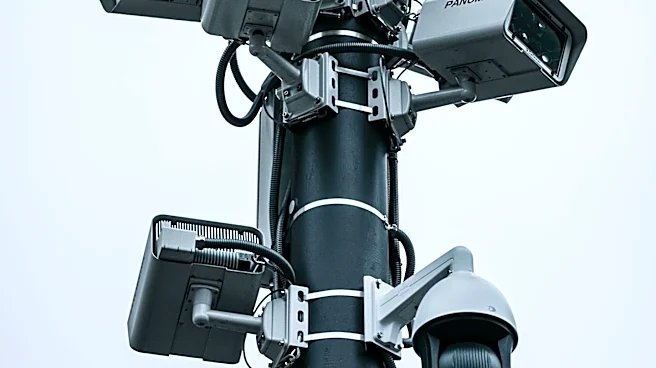
San Jose city leaders, including Mayor Matt Mahan, Vice Mayor Pam Foley, and councilmembers Domingo Candelas and George Casey, are proposing stricter regulations for the city's Flock license-plate camera database. This initiative comes after a San Jose Police
Department (SJPD) officer was found to have misused the system to track a woman who had accused his cousin of domestic violence, subsequently sharing her vehicle's location with the cousin. The proposed measures include prohibiting all city employees from accessing law enforcement databases using personal devices, a restriction already implemented within the SJPD by Police Chief Paul Joseph. Additionally, the proposal calls for City Manager Jennifer Maguire to collaborate with police to increase random audits of database searches to identify unauthorized access or use that lacks a legitimate law enforcement purpose. The officer involved was fired in April 2026 and referred for decertification, but Mayor Mahan advocates for criminal charges for such misuse of sensitive data.
Why It's Important?
This development is crucial for San Jose as it addresses significant concerns regarding privacy, civil liberties, and public trust in law enforcement. The misuse of the Flock camera database by an officer highlights vulnerabilities in surveillance technology and the potential for abuse of power. The proposed tighter controls aim to restore community confidence by enhancing accountability and preventing similar incidents. For residents, particularly those who have expressed concerns about mass surveillance, these measures represent a step towards greater protection of their privacy. The call for state lawmakers to criminalize unauthorized database access underscores a broader need for legal frameworks that keep pace with technological advancements in policing. This situation also fuels the ongoing debate between public safety benefits, such as solving crimes, and the potential for privacy infringements associated with extensive surveillance systems.
What's Next?
The proposal for tighter controls on the Flock camera database is scheduled to be reviewed by San Jose's Rules and Open Government Committee on September 30. If approved, the City Manager will work with the police department to implement increased random audits and enforce the ban on personal device access to law enforcement databases. Concurrently, city leaders will advocate for changes in California state law to explicitly criminalize the misuse of such databases by officers, aiming to provide stronger legal recourse beyond job termination. This legislative push could influence how other jurisdictions in California manage their surveillance technologies. Meanwhile, ongoing lawsuits against San Jose by organizations like the ACLU and Electronic Frontier Foundation, which argue for warrant requirements for license-plate data searches, will continue to shape the legal landscape surrounding these technologies.
Beyond the Headlines
The incident and subsequent policy proposals in San Jose delve into the complex ethical and societal implications of pervasive surveillance technology. While proponents argue that systems like Flock cameras are vital tools for crime reduction, their misuse raises fundamental questions about the balance between security and individual freedoms. The debate extends beyond mere policy adjustments to the very nature of a surveillance society, where citizens' movements can be tracked without their explicit consent or knowledge. This situation could set a precedent for how cities nationwide regulate advanced surveillance tools, potentially influencing national discussions on data privacy, police accountability, and the scope of governmental power in the digital age. It also highlights the critical need for robust oversight mechanisms and transparent governance to prevent technology from becoming an instrument of oppression rather than protection.