
What's Happening?
In response to President Trump's threats to take control of Greenland, a Danish territory, Danish consumers have initiated a boycott of American-made products. This movement has led to a surge in popularity
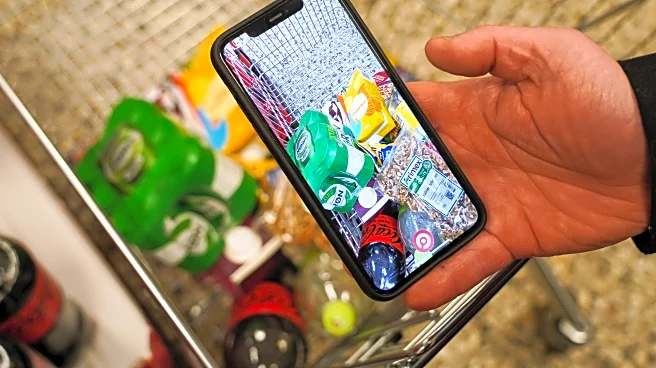
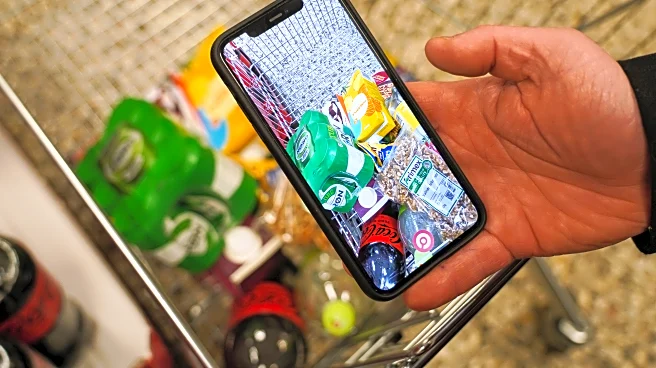
for two mobile apps, NonUSA and Made O’Meter, which help users identify and avoid American products. These apps have climbed to the top of the Danish App Store, with NonUSA reaching the No. 1 spot. The apps allow users to scan product barcodes to determine their origin and suggest local alternatives. This boycott has also extended to canceling U.S. vacations and subscriptions to American streaming services. The increase in app downloads is significant, with a reported 867% rise over the past week.
Why It's Important?
The boycott reflects growing tensions between Denmark and the U.S., highlighting the impact of international political disputes on consumer behavior. This grassroots movement could influence U.S. businesses that rely on exports to Denmark and the broader Nordic region. The surge in app downloads indicates a strong consumer response, potentially affecting American companies' market share in these countries. Additionally, this development underscores the power of digital tools in facilitating consumer activism and the potential for similar movements in other regions facing political disagreements with the U.S.
What's Next?
If the boycott continues, American companies may need to address the concerns of Danish consumers to regain their market position. This could involve diplomatic efforts or changes in business strategies to appeal to the Nordic market. The situation may also prompt discussions within the U.S. government about the diplomatic approach to Greenland and its impact on international relations. Furthermore, other countries may observe this boycott as a case study in consumer-driven political activism, potentially leading to similar actions elsewhere.
Beyond the Headlines
The boycott raises questions about the ethical implications of using consumer power to influence political decisions. It also highlights the role of technology in enabling organized consumer movements, which can rapidly gain momentum and impact international trade. This situation may lead to a reevaluation of how political actions are perceived globally and the potential for consumer backlash in response to perceived overreach by powerful nations.