



What's Happening?
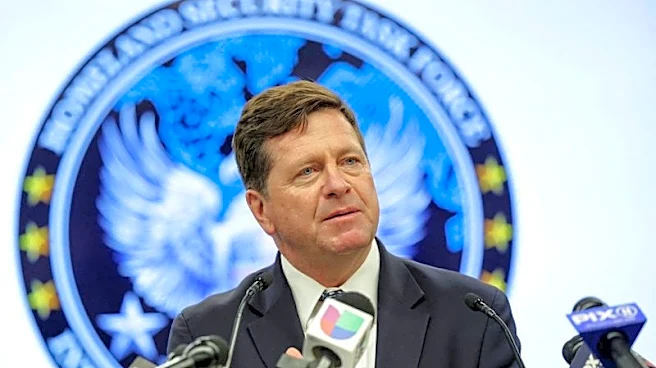
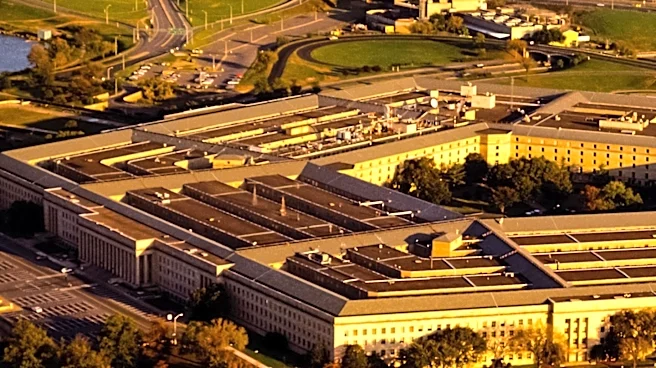
The U.S. Defense Secretary, Pete Hegseth, announced the formation of a joint taskforce between the Pentagon and the Department of Justice aimed at identifying and prosecuting unauthorized disclosures of sensitive information to the press. This move represents
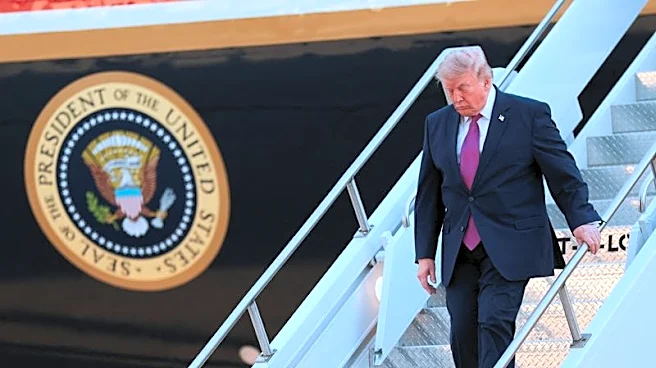
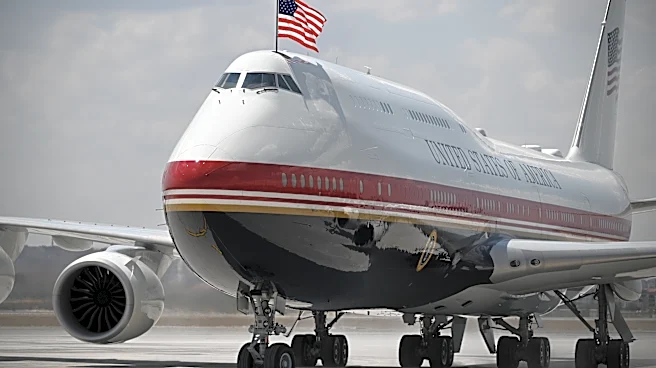
an escalation in the Trump administration's efforts to curb leaks. The taskforce will empower the Office of General Counsel to request and receive all necessary information and support for media leak investigations. This development follows recent actions by the Trump administration, including issuing subpoenas to New York Times journalists after they reported on security concerns related to President Trump's new Qatari-gifted plane. The administration's actions have sparked criticism from media organizations, with the New York Times describing the subpoenas as an extraordinary escalation against independent news organizations.
Why It's Important?
The establishment of this taskforce highlights the ongoing tension between the Trump administration and the press, particularly concerning the handling of classified information. The administration's aggressive stance on leaks could have significant implications for press freedom and the public's right to information. Media organizations argue that such measures threaten the constitutional right to an independent press, which is vital for holding the government accountable. The taskforce's actions may deter whistleblowers and journalists from reporting on sensitive issues, potentially limiting public access to important information. This development underscores the delicate balance between national security and press freedom, a topic of ongoing debate in the U.S.
What's Next?
The taskforce is expected to begin its operations immediately, with the Office of General Counsel taking a leading role in media leak investigations. The Department of Justice has stated that the focus is on those leaking classified information, not the journalists themselves. However, the issuance of subpoenas to journalists may continue to be a contentious issue, potentially leading to legal challenges from media organizations. The outcome of these investigations and any subsequent legal proceedings could set important precedents for how the U.S. government handles leaks and interacts with the press in the future.
Beyond the Headlines
This development raises broader questions about the ethical and legal responsibilities of both the government and the press. The administration's approach may prompt discussions about the need for clearer guidelines on handling classified information and the role of the press in safeguarding national security. Additionally, the taskforce's actions could influence how other countries perceive and implement their own policies regarding press freedom and government transparency.