


What's Happening?
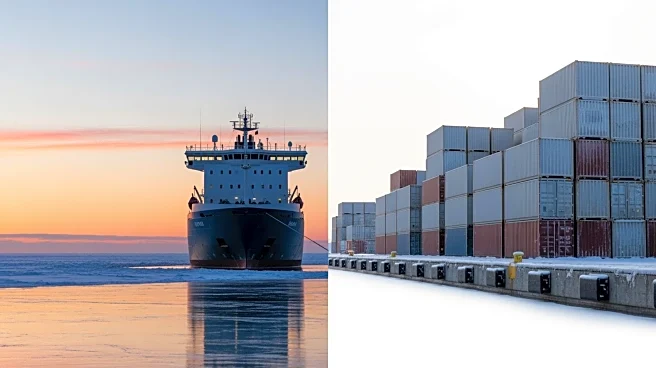
The Port of Churchill in Canada is undergoing a significant transformation as the federal and Manitoba governments have committed over $190 million to expand its infrastructure. This investment aims to facilitate year-round shipping on Hudson Bay, which
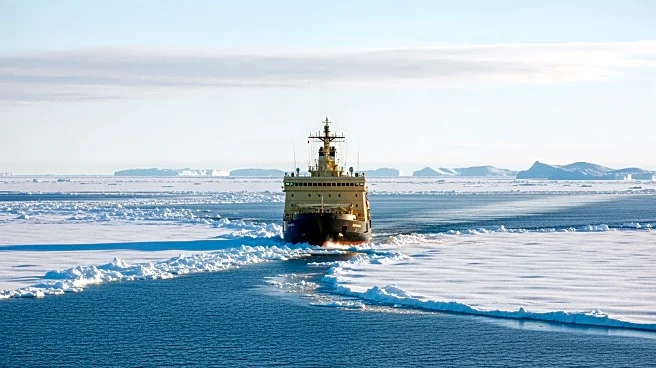
is currently limited due to ice coverage for about eight months each year. The Arctic Gateway Group (AGG), which owns and operates the port, is leading a business development campaign to increase import and export activities, particularly with Western Canadian agricultural and mining companies. A study has been launched to gather industry input on the long-term growth potential of the port, focusing on sectors such as mining, energy, potash, and grain. The study will also explore the feasibility of extended shipping seasons supported by icebreaking, a modernized railway, and an all-season road connection.
Why It's Important?
The expansion of the Port of Churchill is crucial for enhancing Canada's Arctic infrastructure and could significantly impact the country's economic landscape. By enabling year-round shipping, the port could become a vital hub for exporting Canadian resources, including oil, gas, and critical minerals. This development could attract major energy companies and boost the regional economy by creating jobs and increasing trade opportunities. Additionally, the port's expansion could improve supply chain efficiency and reduce transportation costs for Canadian industries. The involvement of First Nations and northern communities in the AGG partnership highlights the potential for inclusive economic growth and development in the region.
What's Next?
The federal government's market sounding study, costing approximately $180,000, is expected to provide insights by spring. This study will engage senior executives across key sectors to identify areas of interest and potential investment opportunities. The results could influence future import and export strategies and supply chain decisions. If successful, the port's expansion could lead to the development of an energy corridor through Churchill, including a pipeline, transmission line, and shipping terminal. The potential for LNG exports and a liquefaction terminal in the Churchill area is also being considered, which could further enhance Canada's position in the global energy market.