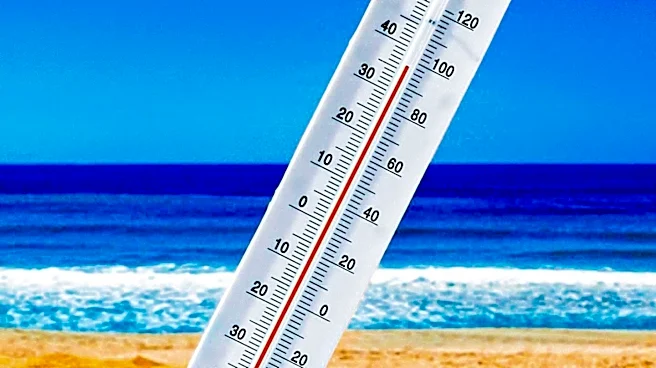









What's Happening?
The New Jersey Department of Health has reported an increase in the number of deaths associated with a recent heat wave, bringing the total to 29. The deaths occurred during a period of extreme temperatures, with some areas experiencing heat index levels
of 110 degrees Fahrenheit. Most of the fatalities were reported in Central and North Jersey, affecting individuals ranging from their mid-30s to 80s. Many of the deceased were found in homes without air conditioning, highlighting the severe impact of the heat wave on vulnerable populations.
Why It's Important?
The rising death toll in New Jersey highlights the critical public health challenges posed by extreme heat events. As climate change continues to drive more frequent and severe heat waves, the need for effective heat safety measures becomes increasingly urgent. The situation underscores the importance of ensuring access to air conditioning and other cooling resources, particularly for at-risk populations. The deaths also serve as a reminder of the broader implications of climate change on public health and safety.
What's Next?
In the wake of the heat wave, New Jersey health officials may focus on enhancing public awareness and preparedness for future extreme weather events. This could involve expanding access to cooling centers, improving emergency response protocols, and investing in infrastructure to mitigate the effects of high temperatures. Additionally, there may be increased advocacy for policies aimed at addressing climate change and its impact on public health.