


What's Happening?
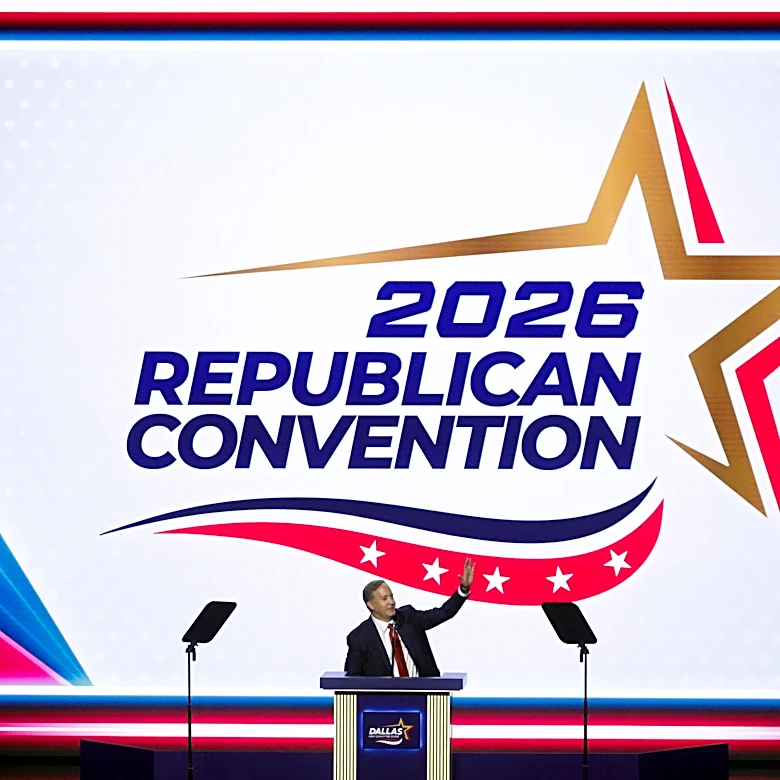
Republicans are utilizing their midterm convention to promote a ban on congressional stock trading, framing it as a key component of their anti-corruption platform. This initiative is being highlighted even as President Trump maintains a notably active
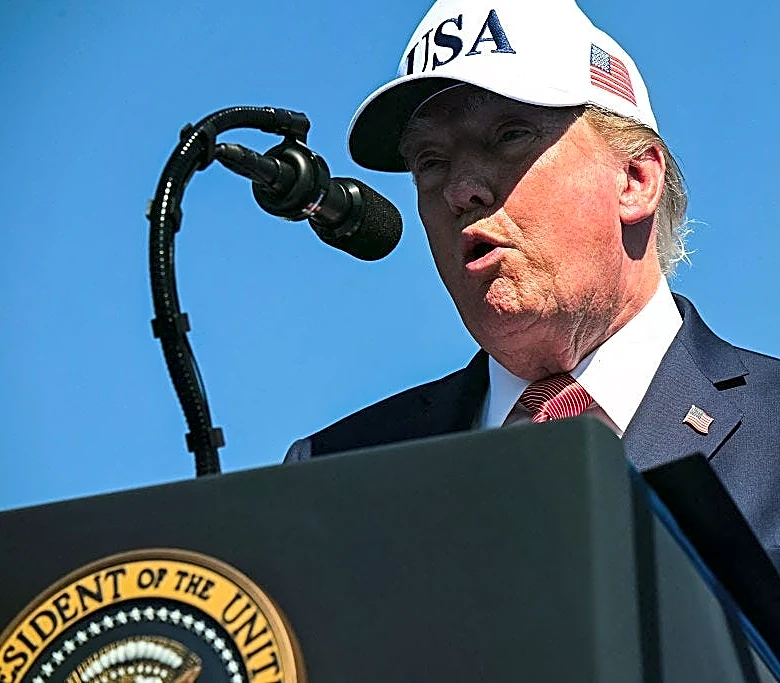
and extensive investment portfolio. Representative Anna Paulina Luna, R-Fla., is among the speakers at the Dallas convention's opening day, which focuses on "Government Integrity," who are expected to call for these restrictions. According to a CNBC analysis of his annual financial disclosure, President Trump disclosed at least $858 million in assets and over 21,000 trades in 2025, a significant increase compared to approximately 500 trades during his entire first term. His trading activity has continued into the current year, with 1,051 transactions in June alone, totaling between $78.1 million and $263.1 million, involving stocks, bonds, and exchange-traded funds, including investments in industries directly influenced by presidential decisions.
Why It's Important?
This development brings to the forefront the complex ethical considerations surrounding financial dealings of public officials, particularly those in high office. The Republican push for a congressional stock-trading ban reflects a growing public and political concern about potential conflicts of interest and the perception of insider trading among lawmakers. However, the simultaneous revelation of President Trump's extensive and active investment portfolio introduces a layer of scrutiny, raising questions about consistency in ethical standards across different branches of government and political roles. The fact that some of President Trump's investments are in industries directly affected by presidential decisions could lead to public debate regarding the appearance of impropriety and the need for comprehensive financial transparency and regulation for all government leaders. This situation could influence voter sentiment and shape future legislative efforts concerning financial ethics in politics.
What's Next?
The Republican party's advocacy for a congressional stock-trading ban at their midterm convention suggests that this issue will likely remain a prominent topic in political discourse. It could lead to renewed legislative efforts to introduce or strengthen such bans, potentially sparking bipartisan debate on the scope and enforcement of these regulations. The continued activity of President Trump's investment portfolio will likely draw further media attention and public discussion, potentially influencing how voters perceive the integrity of political leaders. Depending on public reaction and political momentum, there could be increased pressure on both elected officials and presidential candidates to disclose their financial holdings more transparently or to divest from certain assets to avoid perceived conflicts of interest. The outcome of these discussions could shape future ethical guidelines for public service.
Beyond the Headlines
The juxtaposition of a political party advocating for a stock-trading ban while its prominent figure engages in extensive trading highlights a deeper tension within modern politics: the struggle to balance personal financial freedom with the demands of public trust and ethical governance. This scenario raises fundamental questions about the definition of 'government integrity' and whether different standards apply to elected officials versus former presidents or presidential candidates. It also underscores the challenge of regulating financial activities in an increasingly complex global economy, where investments can have far-reaching implications. The public's perception of fairness and accountability is crucial, and any perceived double standards could erode trust in political institutions. This situation could also fuel broader discussions about campaign finance reform and the influence of personal wealth on political decision-making, potentially leading to calls for more stringent and universally applied ethical guidelines for all individuals in or seeking public office.