







What's Happening?
A record number of young adults in the U.S. are living with their parents, driven by high housing costs and economic challenges. According to recent data, over 25 million adults under 35 are residing in parental homes, marking the highest number on record.
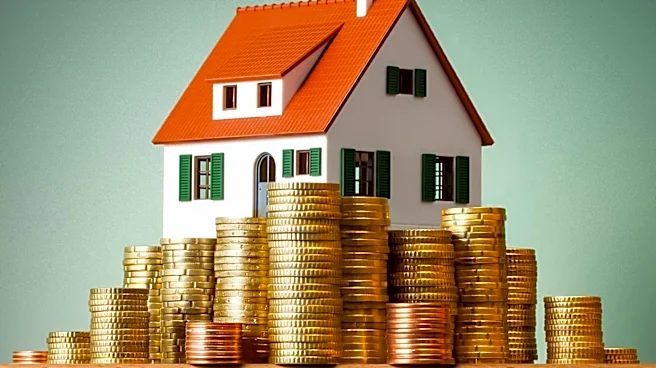
This trend, which began during the COVID-19 pandemic, continues as housing prices and rents remain prohibitively high. The median home price has increased by 34% since 2019, and rents have risen by 18%. Despite many young adults being employed, the financial burden of independent living is significant, leading them to stay with parents to save money.
Why It's Important?
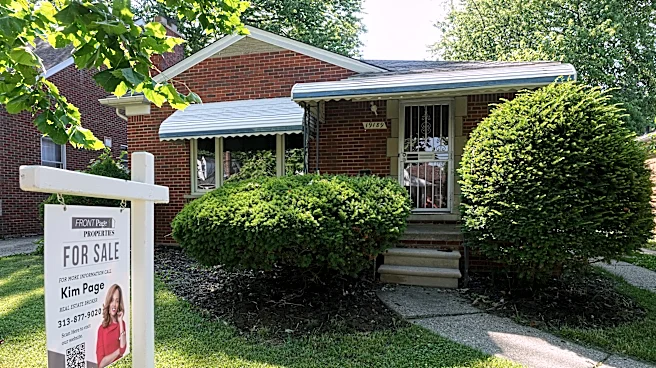
The increase in young adults living with parents has broader implications for the housing market and economy. It contributes to a decline in first-time homebuyers, with only 21% of home purchases in 2025 made by first-time buyers. This shift affects the real estate market and can delay economic milestones for young adults, such as homeownership and family formation. The trend also highlights the challenges of achieving financial independence in the current economic climate, where high housing costs and stagnant wages make it difficult for young adults to afford living on their own.
What's Next?
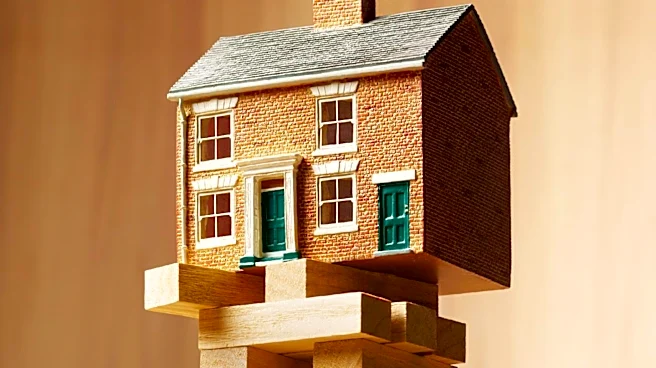
Addressing the housing affordability crisis is crucial to reversing this trend. Policymakers may need to consider measures to increase affordable housing options and support first-time homebuyers. Additionally, economic policies that address wage growth and job opportunities for young adults could help them achieve financial independence. As the housing market continues to evolve, the role of young adults in shaping future housing demand will be significant, and their ability to enter the market will depend on broader economic conditions.