







What's Happening?
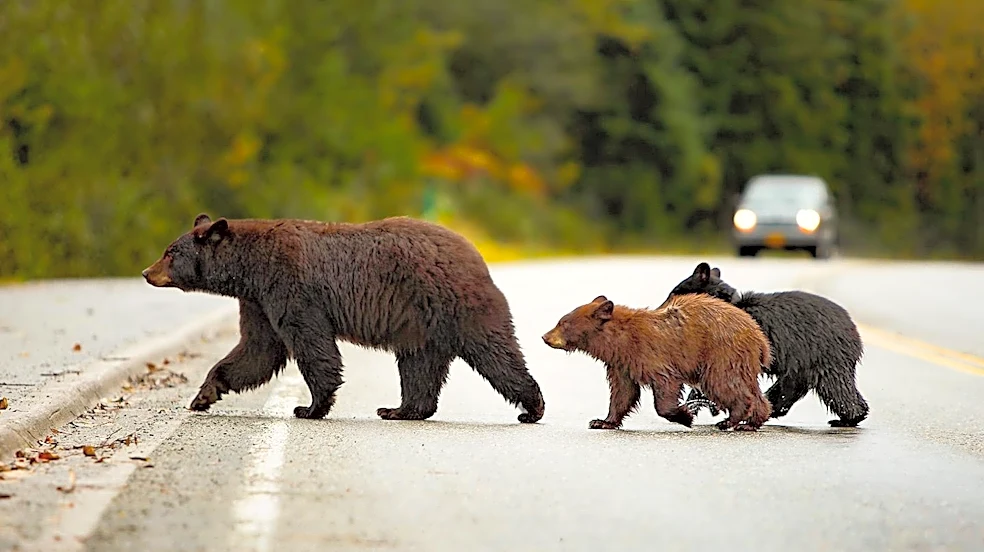
The Logan Police Department in New Mexico has issued a warning to residents regarding an increase in black bear sightings within the village. Logan Police Chief Wade Strand reported that bears have been observed near the main road, businesses, and homes.
While black bear sightings are not unprecedented in Logan, it has been approximately five years since the last reported incidents. Chief Strand noted that the bears are primarily attracted to easily accessible food sources, such as commercial dumpsters and residential trash cans, describing them as 'opportunist eaters.' He emphasized that the bears have not exhibited aggressive behavior but are causing messes. The New Mexico Department of Game and Fish is working with local authorities to relocate the bears to safer areas. Residents are advised to secure all food and trash, avoid walking pets outside at night, and bring pets indoors.
Why It's Important?
The increased presence of black bears in urban areas like Logan highlights a growing challenge for communities located near wildlife habitats. This situation underscores the importance of human-wildlife coexistence strategies and public education on how to safely interact with wild animals. For residents, the immediate impact includes potential property damage from bears foraging for food and a heightened need for vigilance, especially concerning pets and children. Local businesses, particularly those with outdoor waste disposal, may need to invest in bear-proof containers to mitigate attractants. The involvement of the New Mexico Department of Game and Fish signifies the broader ecological and management implications, as authorities work to balance public safety with wildlife conservation. This trend could lead to increased resource allocation for wildlife management and public awareness campaigns in affected regions.
What's Next?
In response to the ongoing sightings, Logan Police Chief Wade Strand advises residents to take immediate preventative measures, including securing all accessible trash and food items. The New Mexico Department of Game and Fish will continue efforts to move the bears from populated areas to more suitable habitats. Residents are encouraged to remain aware of their surroundings, especially when outdoors, and to avoid walking pets at night. If an encounter occurs, individuals are instructed to make noise, appear larger, avoid eye contact, and slowly back away. The long-term strategy will likely involve continued monitoring of bear activity, public outreach to educate residents on bear safety, and potentially implementing more robust waste management practices to reduce attractants in the village. The success of these measures will depend on community cooperation and sustained efforts from wildlife authorities.
Beyond the Headlines
The recurring issue of wildlife encroaching on human settlements, as seen with the black bear sightings in Logan, points to broader ecological shifts and the expanding human footprint. As urban areas grow and natural habitats shrink or become fragmented, wildlife is increasingly forced into closer proximity with human populations in search of food and resources. This situation raises questions about sustainable land use planning and the need for communities to adapt to living alongside wildlife. It also highlights the ethical considerations involved in managing such encounters, balancing the safety of residents with the welfare of the animals. The 'opportunist eater' behavior of bears in urban settings suggests a learned dependency on human-provided food sources, which can alter their natural foraging behaviors and potentially lead to more frequent and bolder interactions. Addressing this requires not just reactive measures like relocation, but proactive strategies that focus on habitat preservation and community-wide behavioral changes to minimize attractants.