






What's Happening?
A new letter published in Science Magazine argues that the High Seas Treaty, despite mentioning plastic pollution in its preamble, lacks explicit mechanisms to address it. The authors, including Peter Macreadie and first author Partho Banik from RMIT
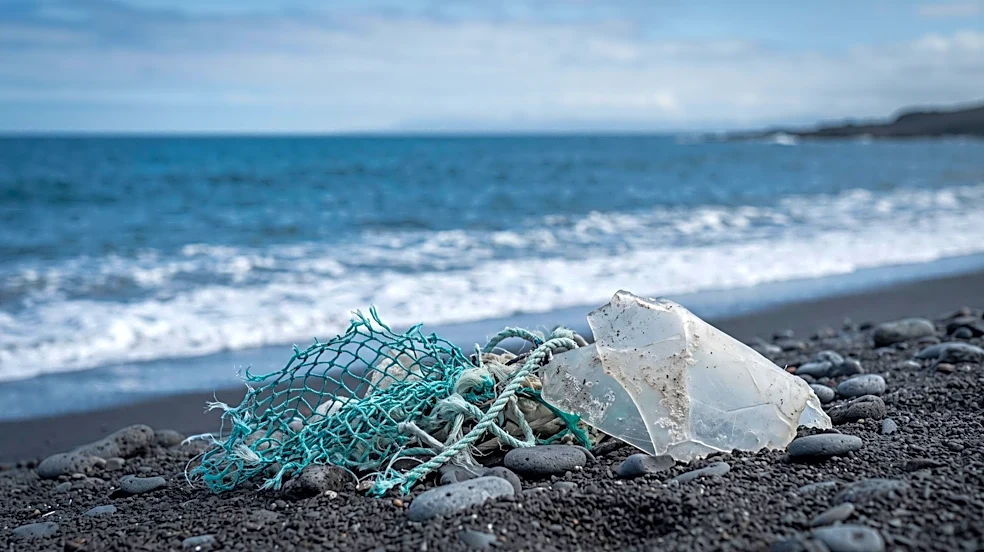
Centre for Nature Positive Solutions, contend that the treaty's first Conference of the Parties (COP1) presents a crucial opportunity to rectify this oversight. They propose several actions COP1 could take, such as ensuring environmental impact assessments consider plastic contamination, including abandoned fishing gear. Additionally, they suggest utilizing the Clearing-House Mechanism to facilitate the sharing of debris-detection technologies, plastic-flow modeling tools, and alternative solutions. The letter also advocates for directing funding towards plastics monitoring and assessment capacity, particularly in data-poor countries. These proposed measures are intended to complement, rather than duplicate, ongoing Global Plastics Treaty negotiations, focusing specifically on understanding and managing the effects of plastic pollution on marine biodiversity in areas beyond national jurisdiction.
Why It's Important?
The call to strengthen the High Seas Treaty's approach to plastic pollution highlights a significant gap in international efforts to combat this pervasive environmental issue. Plastic pollution transcends national borders, making comprehensive international agreements essential for effective mitigation. By not explicitly addressing plastics through its core mechanisms, the High Seas Treaty risks undermining its potential impact on marine biodiversity in vast ocean areas. The proposed interventions could lead to more robust environmental impact assessments, better data sharing, and increased funding for monitoring, which are critical for understanding the scope of the problem and developing targeted solutions. This could ultimately lead to healthier marine ecosystems, protecting countless species from the harmful effects of plastic debris. The emphasis on complementing the Global Plastics Treaty negotiations also underscores the need for a multi-faceted approach to tackle plastic pollution from various angles.
What's Next?
The first Conference of the Parties (COP1) for the High Seas Treaty will be a critical juncture for addressing the concerns raised in the Science Magazine letter. Member states will have the opportunity to consider and potentially adopt the proposed measures to explicitly integrate plastic pollution considerations into the treaty's operational framework. This could involve amending existing protocols or developing new ones to ensure environmental impact assessments are comprehensive regarding plastic contamination. Furthermore, decisions made at COP1 could influence the allocation of resources for research, monitoring, and the deployment of technologies aimed at detecting and mitigating plastic debris. The outcome of these discussions will likely shape the effectiveness of the High Seas Treaty in protecting marine biodiversity from plastic pollution and could set a precedent for future international environmental agreements.
Beyond the Headlines
The debate surrounding the High Seas Treaty's approach to plastic pollution reflects a broader challenge in international environmental governance: ensuring that treaties are sufficiently robust and adaptable to address evolving environmental crises. The initial omission of explicit mechanisms for plastic pollution, despite its mention in the preamble, suggests a potential disconnect between acknowledging a problem and implementing concrete solutions. This situation underscores the importance of continuous scientific input and advocacy to refine and strengthen international agreements. Furthermore, the call for data sharing and capacity building in data-poor countries highlights the equity dimension of environmental protection, emphasizing that effective global solutions require supporting all nations in their efforts to combat pollution. The success of integrating plastic pollution measures into the High Seas Treaty could serve as a model for how international law can evolve to meet urgent environmental demands.