



What's Happening?
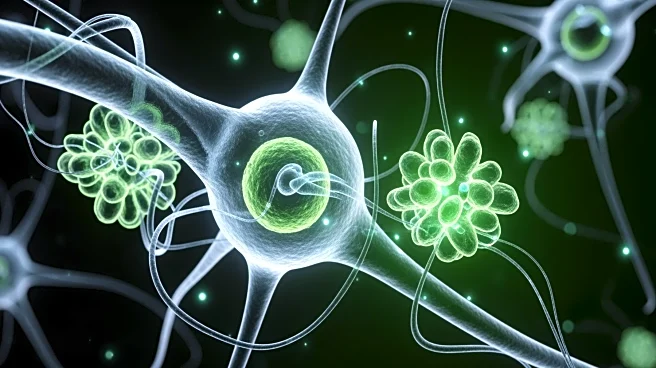
Researchers at UVA Health have discovered that the brain parasite Toxoplasma gondii can infect CD8+ T cells, which are typically responsible for destroying infected cells. The parasite uses these immune cells to survive, but an enzyme called caspase-8
can trigger the infected cells to self-destruct, preventing the parasite from completing its life cycle. This finding sheds light on the body's defense mechanisms against T. gondii, which is estimated to infect a third of the global population. The research highlights the importance of caspase-8 in controlling the infection and preventing severe illness in individuals with compromised immune systems.
Why It's Important?
Understanding the interaction between T. gondii and the immune system is crucial for developing treatments for at-risk patients, particularly those with weakened immune defenses. The discovery of caspase-8's role in controlling the infection could lead to new therapeutic strategies to enhance immune responses against the parasite. This research also contributes to the broader understanding of how pathogens exploit immune cells, which could have implications for other infectious diseases. The study emphasizes the need for continued research into immune system functions and pathogen interactions.