







What's Happening?
The New York State Department of Health has updated its guidance, allowing the consumption of certain fish from the Lower Hudson River for the first time in 50 years. This change applies to the area from the Rip Van Winkle Bridge in Catskill to the southern
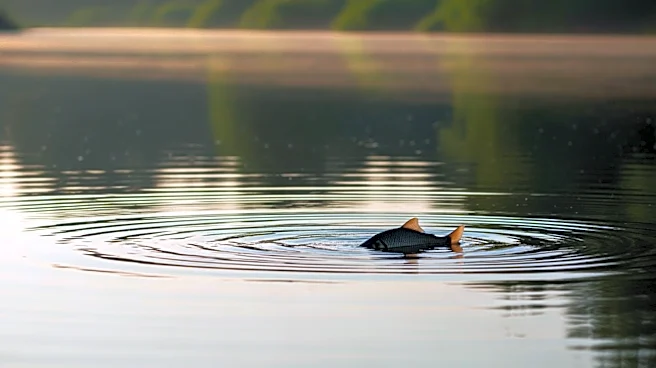
tip of Manhattan. The decision comes after a significant reduction in levels of toxic chemicals, specifically polychlorinated biphenyls (PCBs), in the fish. Health officials now permit the general population to consume up to four seafood meals a month from this section of the river, recommending striped bass while advising against carp and smallmouth bass. The department suggests removing skin and fat from the fish to further reduce PCB exposure.
Why It's Important?
This development marks a significant environmental milestone, reflecting improved water quality in the Hudson River. The ability to consume fish from the river could boost local fishing activities and tourism, benefiting the regional economy. It also highlights successful efforts in pollution control and environmental restoration, serving as a model for similar initiatives nationwide. However, health officials continue to advise caution, emphasizing the importance of following guidelines to minimize health risks associated with residual PCBs.
What's Next?
The New York State Department of Health will likely continue monitoring PCB levels in the Hudson River to ensure ongoing safety for fish consumption. Further environmental assessments and public health studies may be conducted to evaluate the long-term impacts of this decision. Local communities and environmental groups might engage in educational campaigns to inform the public about safe fishing practices and the ecological significance of this change.