
What's Happening?
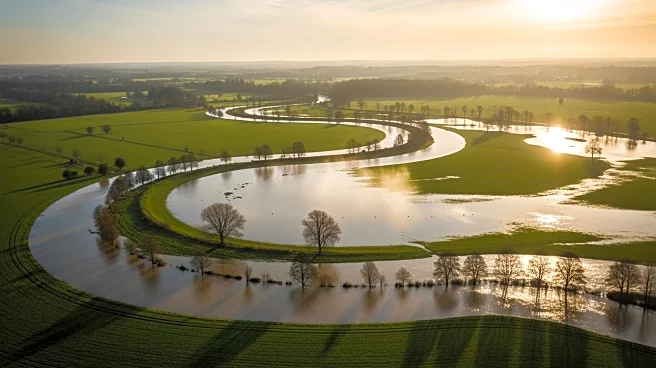
Washington state is experiencing severe flooding due to heavy rainfall from an atmospheric river, causing the Skagit River to reach unprecedented levels. The state and federal governments have declared
a statewide emergency as thousands of residents have been forced to evacuate. Many who did not evacuate in time have been rescued from their homes and vehicles. The flooding has led to significant damage, with homes submerged and personal belongings destroyed. The Washington National Guard and federal resources, including FEMA, are involved in the response efforts. The situation remains critical as more rain is forecasted, increasing the risk of further flooding and landslides.
Why It's Important?
The flooding in Washington state highlights the increasing frequency and intensity of extreme weather events, which can have devastating impacts on communities. The immediate effects include displacement of residents, damage to infrastructure, and economic losses. The long-term implications could involve changes in land use planning and increased investment in flood defenses. The response to this disaster will test the resilience of local and federal emergency management systems. Additionally, the event underscores the need for comprehensive climate adaptation strategies to mitigate the impacts of such natural disasters.
What's Next?
As the rain continues, authorities are focused on rescue operations and assessing the full extent of the damage. Efforts to repair levees and infrastructure are underway, but the saturated ground poses a high risk of landslides, which could further complicate recovery efforts. Residents who have evacuated may face weeks before they can safely return home. The state will likely seek additional federal assistance to support recovery and rebuilding efforts. This event may prompt discussions on improving flood management and emergency preparedness in the region.