

What's Happening?
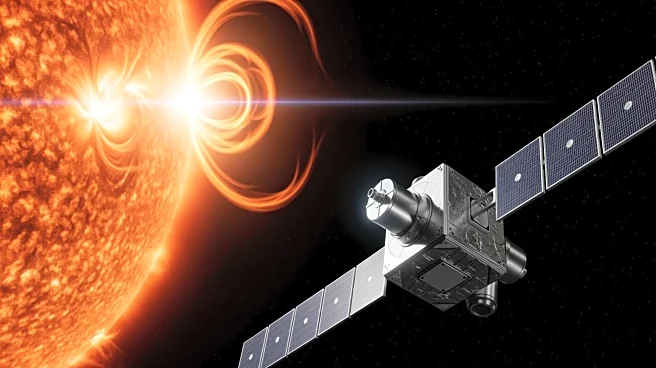
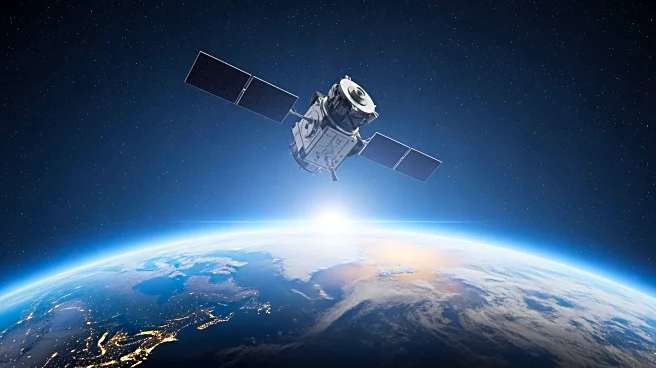
NASA's Polar Operational Environmental Satellite (POES) Project, in collaboration with the National Oceanic and Atmospheric Administration (NOAA), has been a cornerstone of weather satellite technology since its inception. The project began with the launch
of TIROS-1 in 1960, the world's first polar-orbiting weather satellite. Over the years, the program has evolved, incorporating new designs and sensors to improve weather forecasting and environmental monitoring. The final satellite in the series, NOAA-19, was launched in 2009, marking the end of an era for the POES Project.
Why It's Important?
The POES Project has significantly advanced our ability to monitor Earth's weather and climate. The data collected by these satellites have been instrumental in improving weather forecasts, climate monitoring, and environmental analysis. This has had substantial economic and environmental benefits, aiding in disaster preparedness and response, agricultural planning, and climate research. The project's success has paved the way for more advanced satellite systems, continuing to enhance our understanding of Earth's atmospheric processes.