

What's Happening?
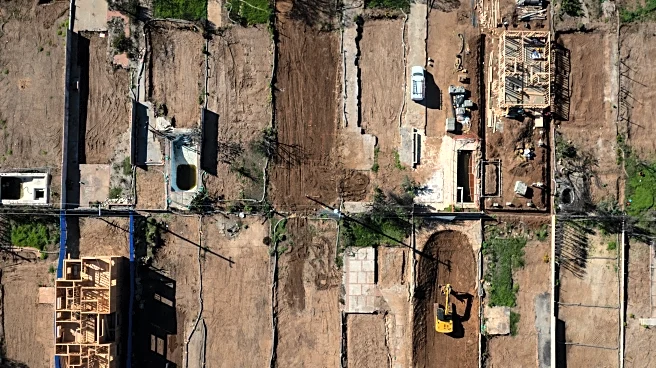
Former reality TV star Spencer Pratt has declared his candidacy for the position of Los Angeles mayor. This announcement comes a year after the devastating Palisades Fire, which destroyed his home in Pacific Palisades. Pratt has been an outspoken critic
of the response by local authorities, particularly targeting Governor Gavin Newsom and Los Angeles Mayor Karen Bass, for their handling of the wildfire. The fire, which began on January 7, 2025, was fueled by strong Santa Ana winds and became one of the most destructive in California's history, resulting in 12 deaths and the destruction of over 6,800 structures. Pratt's campaign is positioned as a mission to reform Los Angeles politics, promising to bring transparency and change to the city's governance.
Why It's Important?
Spencer Pratt's entry into the mayoral race highlights the ongoing public dissatisfaction with how local government has managed natural disasters, particularly wildfires, which have become increasingly frequent and severe in California. His candidacy underscores a broader demand for accountability and effective leadership in crisis management. The race for Los Angeles mayor is already competitive, with incumbent Mayor Karen Bass and former LAUSD Superintendent Austin Beutner among the candidates. Pratt's celebrity status and personal experience with the wildfire may draw significant public attention and influence the discourse around disaster preparedness and response in the city.
What's Next?
The primary election for Los Angeles mayor is scheduled for June 2, with the filing period for candidates opening on February 2 and closing on February 7. As the election approaches, Pratt's campaign is likely to focus on critiquing the current administration's handling of wildfires and other city issues. The outcome of this election could have significant implications for Los Angeles' future policies on disaster management and urban development. Stakeholders, including political leaders and community groups, will be closely monitoring the race, as it may set a precedent for how cities address the challenges posed by climate change and urban resilience.