




What's Happening?
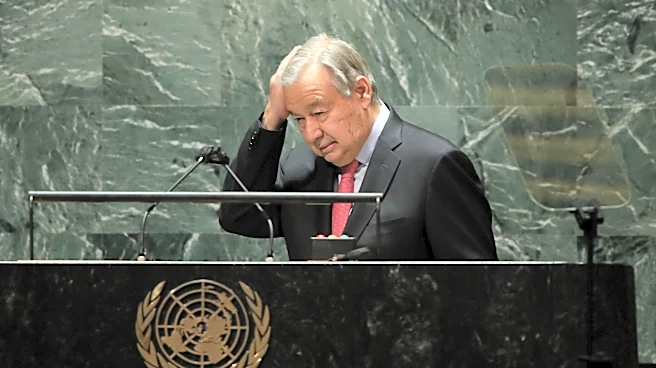
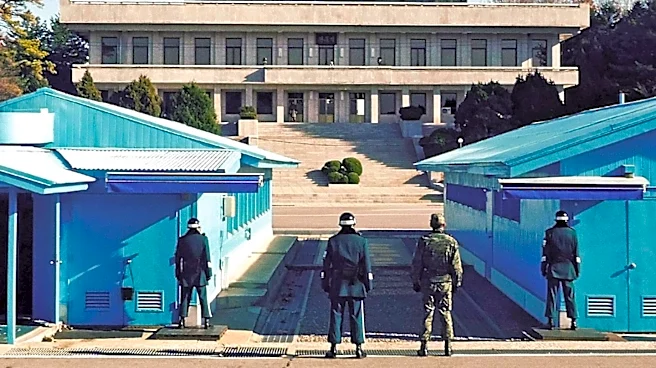
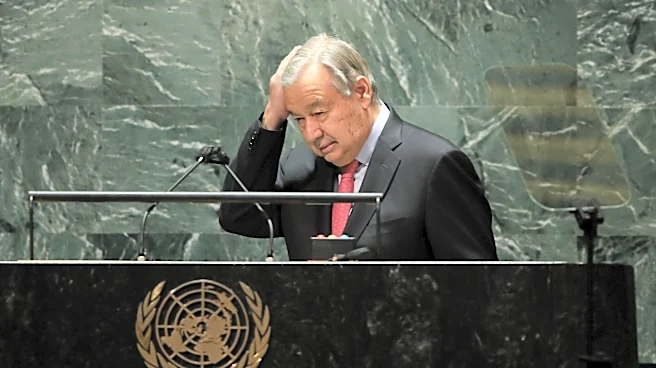
U.N. Secretary-General Antonio Guterres has urged for the restoration of communication channels between South and North Korea. This call comes amidst heightened tensions following a landmine explosion on September 21 within the Demilitarized Zone (DMZ)
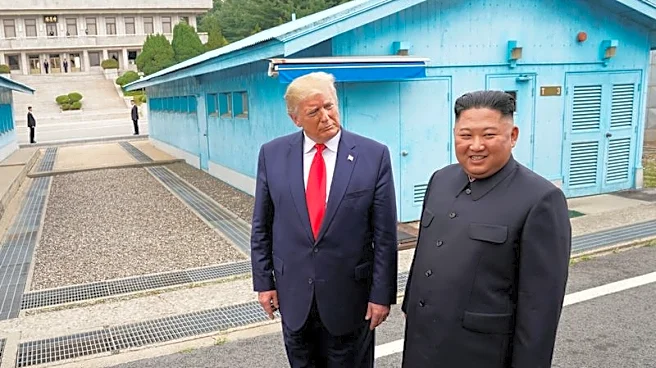
that injured three South Korean soldiers. A joint investigation by South Korea's military and the U.N. Command concluded that North Korea deliberately planted antipersonnel mines south of the Military Demarcation Line. North Korea, however, denied responsibility and dismissed Seoul's findings as fabricated. U.N. spokesperson Stephane Dujarric emphasized that Guterres is concerned about the potential for escalation across the DMZ and encourages direct military-to-military contacts to reduce the risk of unintended incidents or miscalculations. South Korea has brought the incident to the U.N. Security Council, demanding an apology from Pyongyang, the removal of mines, and preventative measures.
Why It's Important?
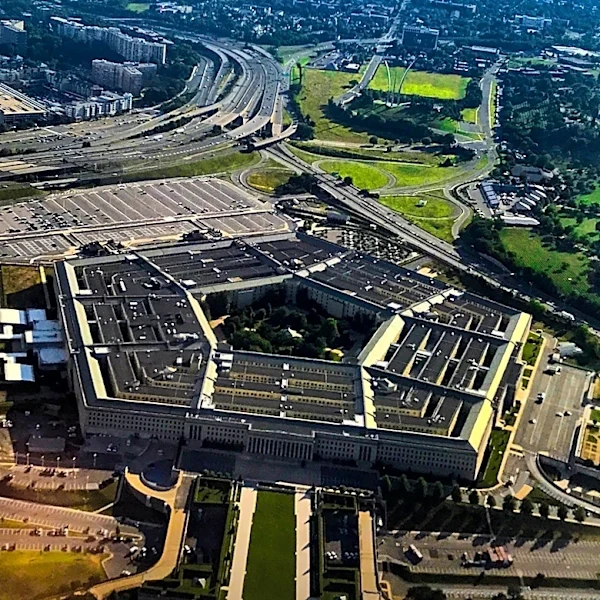
The call for renewed inter-Korean contact by the UN Secretary-General is crucial for regional stability and has significant implications for U.S. foreign policy in East Asia. The U.S. maintains a strong alliance with South Korea, and any escalation of tensions on the Korean Peninsula directly impacts U.S. security interests and military presence in the region. The landmine incident highlights the fragility of the armistice agreement and the constant threat of miscalculation. Without open communication channels, the risk of minor incidents spiraling into larger conflicts increases, potentially drawing in the U.S. and its allies. Diplomatic engagement is seen as the only viable path to de-escalation and achieving sustainable peace, which is a long-standing objective of U.S. foreign policy in the region. The lack of dialogue also hinders efforts towards denuclearization, a key U.S. priority.
What's Next?
The immediate next steps involve whether North Korea will respond to the UN Secretary-General's call for renewed communication. South Korea has already escalated the issue to the U.N. Security Council, seeking an apology and preventative measures from Pyongyang. The U.S., as a key ally of South Korea, will likely continue to support diplomatic efforts while maintaining its military readiness in the region. The international community will be watching for any signs of de-escalation or further provocations from North Korea. The effectiveness of the UN's appeal will depend on the willingness of both Koreas to engage in dialogue, particularly direct military-to-military contacts, to prevent future incidents and manage existing tensions. The situation could either lead to a resumption of dialogue or further entrenchment of hostile stances.
Beyond the Headlines
The ongoing tensions on the Korean Peninsula, exacerbated by incidents like the DMZ landmine explosion, underscore the deep-seated mistrust and unresolved issues stemming from the Korean War. The absence of formal peace treaties and the continued division of the peninsula create a volatile environment where even minor incidents can have disproportionate consequences. The UN's intervention highlights the international community's concern over the potential for conflict and the need for diplomatic solutions. Beyond the immediate security concerns, the lack of inter-Korean dialogue also impacts humanitarian issues, such as family reunions, and hinders economic cooperation that could benefit both sides. The ethical implications of landmines, particularly antipersonnel mines, also come to the forefront, raising questions about their use and the safety of civilians and military personnel in border areas.