
What's Happening?
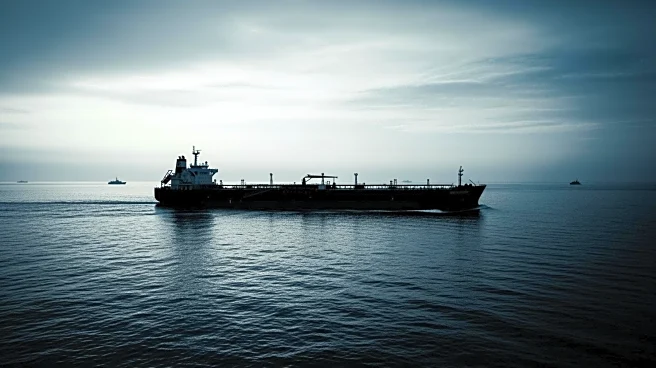
The United States is actively pursuing a third oil tanker off the coast of Venezuela, following the recent seizure of two other tankers in the region. This action is part of a broader U.S. strategy to
enforce sanctions against Venezuela, which has been accused by President Trump of drug trafficking and contributing to the opioid crisis in the U.S. The first tanker was seized on December 10, and a second, Panama-flagged tanker was seized on December 20. The U.S. has imposed a blockade on sanctioned ships entering and leaving Venezuela, aiming to pressure the country's economy, which heavily relies on crude oil exports. The U.S. oil company Chevron continues to transport Venezuelan oil using authorized ships, despite the sanctions.
Why It's Important?
The U.S. actions against Venezuelan oil tankers highlight the ongoing geopolitical tensions between the two countries. The enforcement of sanctions is intended to weaken the Venezuelan economy and reduce the influence of President Nicolás Maduro, whom the U.S. has designated as a foreign terrorist organization ally. This situation affects global oil markets, as Venezuela holds the world's largest crude reserves. The U.S. strategy could lead to increased oil prices and impact international trade, particularly with countries like China, Venezuela's top trade partner. The situation also underscores the complexities of international sanctions and their enforcement, as well as the challenges faced by companies operating in sanctioned regions.
What's Next?
The U.S. is likely to continue its aggressive stance on enforcing sanctions against Venezuela, potentially leading to further seizures of oil tankers. This could escalate tensions between the two nations and impact diplomatic relations. The international community, including countries that trade with Venezuela, may respond to these developments, potentially leading to shifts in alliances and trade agreements. The situation may also prompt discussions within the U.S. government regarding the effectiveness and consequences of its sanctions policy.