




What's Happening?
For nearly a century, the Kennedy family's Hyannis Port compound in Cape Cod has been the focal point of their summer traditions, particularly around Labor Day. This sprawling waterfront estate, purchased by Joseph P. Kennedy in 1928, served as a playground
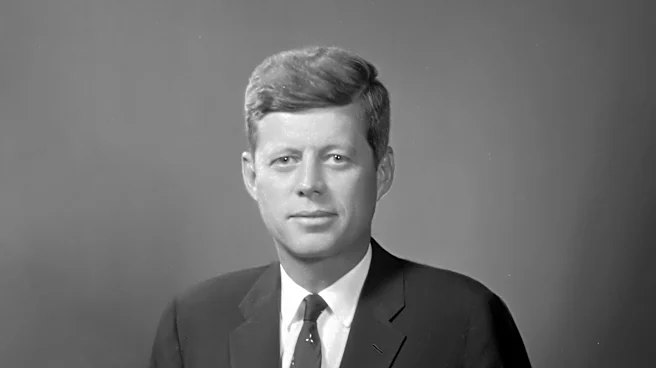
for his nine children, including John F. Kennedy and Robert F. Kennedy. Activities such as sailing on Nantucket Sound, swimming, tennis, horseback riding, and fiercely competitive games of touch football were central to their summers. These pastimes became deeply intertwined with the family's public image, contributing to the 'Camelot' narrative. John F. Kennedy spent his final Labor Day weekend at the compound in 1963, engaging in these family traditions just months before his assassination. The compound also played a significant role in JFK's political career, serving as his presidential campaign headquarters in 1960 and later as the 'seaside White House' during his presidency.
Why It's Important?
The Kennedy compound at Hyannis Port is more than just a collection of homes; it is a significant historical landmark that embodies a pivotal era in American politics and culture. Its enduring legacy highlights the blend of private family life and public political identity that defined the Kennedy dynasty. The traditions established there, particularly the emphasis on competition and outdoor activities, shaped the family's values and public perception. The compound's role as a backdrop for critical political decisions, such as JFK planning his presidential campaign, underscores its importance in national history. Furthermore, it served as a place of both celebration and profound grief for the family, witnessing moments of triumph and tragedy, including Jackie Kennedy's crafting of the 'Camelot' image after JFK's death. Its designation as a U.S. National Landmark in 1972 solidifies its place in the American narrative.
What's Next?
The Kennedy family compound continues to be a private residence for descendants, maintaining its historical significance and serving as a site for family gatherings, such as annual Fourth of July reunions. While its direct political influence has evolved, the compound remains a powerful symbol of American political history and family legacy. Future generations of the Kennedy family will likely continue to uphold the traditions established over the past century, preserving the estate's unique character and its connection to a storied past. Public interest in the compound and its history is expected to persist, driven by its association with one of America's most iconic political families. Educational institutions and historical organizations may continue to draw upon its rich archives and stories to illustrate key moments in U.S. history.
Beyond the Headlines
The Hyannis Port compound offers a deeper look into the construction of political dynasties and the role of private spaces in shaping public personas. The 'Camelot' image, largely cultivated from scenes at the compound, illustrates how personal life can be strategically woven into a political narrative, creating an enduring mythos. The compound also reflects broader themes of American aspiration, privilege, and the complex interplay between family heritage and national identity. The competitive spirit fostered by Joseph Kennedy among his children, evident in their sports and activities, can be seen as a microcosm of the ambition that propelled the family into national leadership. Moreover, the compound's history of both joy and profound loss highlights the human element behind political power, reminding us that even prominent figures experience personal triumphs and tragedies within their private domains. It stands as a testament to the enduring power of place in shaping individual and collective memory.