



What's Happening?
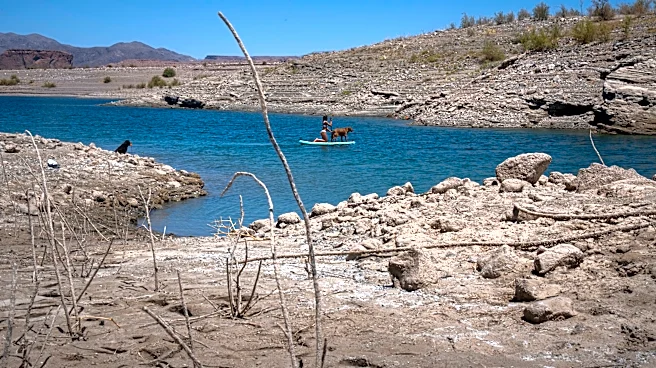
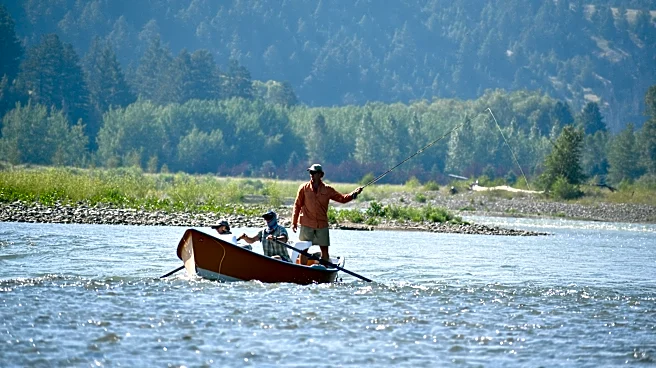
Fishing closures are increasingly common in Western U.S. rivers due to rising temperatures and frequent droughts, exacerbated by climate change. Wildlife officials have imposed restrictions on fishing during certain hours to protect species like trout,
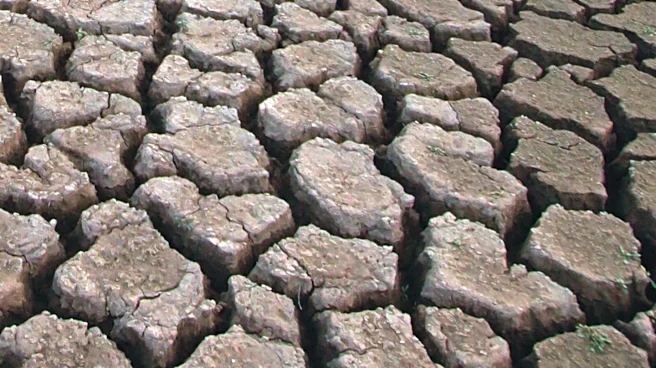
which are highly prized by anglers. These measures are in response to an exceptionally dry winter and widespread drought, leading to lower water levels and higher river temperatures. The Yellowstone River and other popular fishing spots in Montana and Colorado have seen afternoon fishing restrictions to reduce stress on fish. This trend has been observed over the past decade, with closures becoming routine from late June through early September.
Why It's Important?
The fishing restrictions have significant ecological and economic implications. Trout fishing is a major economic activity in many Rocky Mountain communities, attracting anglers from around the world. The closures aim to protect fish populations from stress and potential mortality due to warm water temperatures, which contain less oxygen and slow fish growth. The economic impact is notable as businesses reliant on fishing tourism, such as fly shops and guide services, face challenges. The situation underscores the broader effects of climate change on natural resources and local economies, highlighting the need for adaptive management strategies.
What's Next?
As climate change continues to affect weather patterns, similar restrictions may become more frequent and widespread. Wildlife officials and conservation groups are likely to explore further measures to protect fish populations and manage water resources. The fishing industry and local communities may need to adapt by shifting tourism strategies or exploring alternative economic activities. Ongoing research into river heat waves and their impact on aquatic ecosystems will be crucial in informing future policies and conservation efforts.
Beyond the Headlines
The fishing closures highlight the broader environmental challenges posed by climate change, including the alteration of natural habitats and the increased frequency of extreme weather events. These changes have ethical and cultural dimensions, as they affect traditional recreational activities and the livelihoods of those dependent on natural resources. The situation calls for a reevaluation of water management practices and increased investment in sustainable environmental policies to mitigate the long-term impacts of climate change.